 Orders placed between June 24 and July 5 may experience slight processing delays due to inventory reconciliation and warehouse maintenance.



A useful SARMs comparison is not a contest to find a universal “best” compound. It is a way to separate receptor profile, available evidence, research objective, and supplier quality before a material ever enters a study. For serious buyers, the difference between compounds matters, but so does the difference between a verified, clearly labeled research product and an unknown bottle with a bold label.
Selective androgen receptor modulators, commonly called SARMs, are investigational compounds designed to interact with androgen receptors in a more tissue-selective way than traditional anabolic-androgenic steroids. That design goal explains the category’s appeal in muscle, bone, body-composition, and recovery-related research. It does not make these compounds approved, risk-free, or appropriate for human consumption. SARMs are not FDA-approved for human use and should be handled only within lawful research-use parameters.
SARMs Comparison Starts With the Research Question
Comparing SARMs by hype creates bad decisions. Comparing them by the question under investigation creates a cleaner framework. Are you evaluating anabolic signaling? Looking at a compound’s relative tissue selectivity? Reviewing the limited clinical literature around lean-mass retention or bone-related pathways? Each objective changes which profile deserves attention.
The compounds most often discussed in the category differ in selectivity, receptor activity, developmental history, and evidence base. Some have been studied more extensively in clinical settings. Others are primarily known through early research, preclinical work, or the broader research-chemical market. That distinction should carry real weight. A familiar name is not the same as a well-characterized material.
Ostarine (MK-2866)
Ostarine is often treated as the baseline reference point in SARMs discussions because it has appeared in research related to muscle wasting and functional outcomes. It is generally framed as a nonsteroidal androgen receptor modulator with an emphasis on skeletal muscle and bone signaling.
For a research comparison, its main advantage is context. Ostarine has a more recognizable development history than many compounds marketed in the category, which can make it easier to assess published findings against broader claims. The trade-off is that recognition can lead buyers to overstate certainty. Research interest and investigational status are not proof of safety or approved efficacy.
Ligandrol (LGD-4033)
Ligandrol is frequently discussed where researchers are examining pronounced anabolic signaling and lean-tissue outcomes. It has been the subject of limited human research and is commonly positioned as a higher-intensity option within informal market comparisons.
That positioning demands extra discipline. Stronger perceived activity is not automatically a better fit for every research objective. Endocrine effects, changes in lipid markers, liver-related concerns, and the limits of short-duration research all belong in the same evaluation. A credible comparison weighs the signal being studied against the uncertainty that remains.
Testolone (RAD-140)
Testolone is typically associated with high androgen-receptor affinity and interest in selective anabolic activity. Early development interest included neurological and muscle-related applications, but the body of published human evidence remains limited.
The key point is simple: a compelling mechanism is not a complete research profile. RAD-140 may attract attention because of its potency narrative, yet its human safety picture is far from settled. Researchers comparing it with better-characterized compounds should avoid filling evidence gaps with marketing language.
Andarine (S-4)
Andarine is an earlier SARM candidate often mentioned in research around muscle and bone pathways. Its notoriety also comes from reports of visual disturbances, particularly altered color perception or low-light vision effects, associated with the compound in anecdotal accounts and limited discussion.
That makes S-4 a clear example of why selectivity is not a blank check. A compound can be designed to favor certain tissues and still present meaningful off-target or systemic concerns. Any assessment that talks only about target-tissue activity is incomplete.
YK-11 and Other Less-Defined Profiles
YK-11 is often placed in SARM discussions, although its classification and mechanism are more complicated than standard category labels suggest. It is sometimes described in relation to myostatin signaling, but dependable human data are notably scarce.
For buyers who prioritize precision, this is where the evidence threshold should rise, not fall. Limited data, unclear classification, and aggressive market claims are a poor combination. A research material should earn confidence through documentation and analytical verification, not through dramatic promises.
The Factors That Matter Beyond the Compound Name
A strong SARMs comparison should not stop at a compound chart. Structural differences are only one part of the purchase decision. Material identity, purity, concentration, batch consistency, storage guidance, and labeling standards can alter whether a product is even suitable for legitimate research.
Third-party analytical testing is especially important in this category. Research compounds are often sold into a market where underdosing, substitution, cross-contamination, and mislabeled ingredients are real concerns. A certificate of analysis should correspond to the specific lot, identify the material tested, and provide meaningful purity information. A generic PDF with no lot connection offers far less value than it appears to.
Manufacturing and fulfillment standards matter too. Made in the USA claims, controlled production practices, transparent labeling, and responsive order handling all help reduce avoidable uncertainty. They do not turn an investigational compound into an approved drug, but they do speak to supplier discipline.
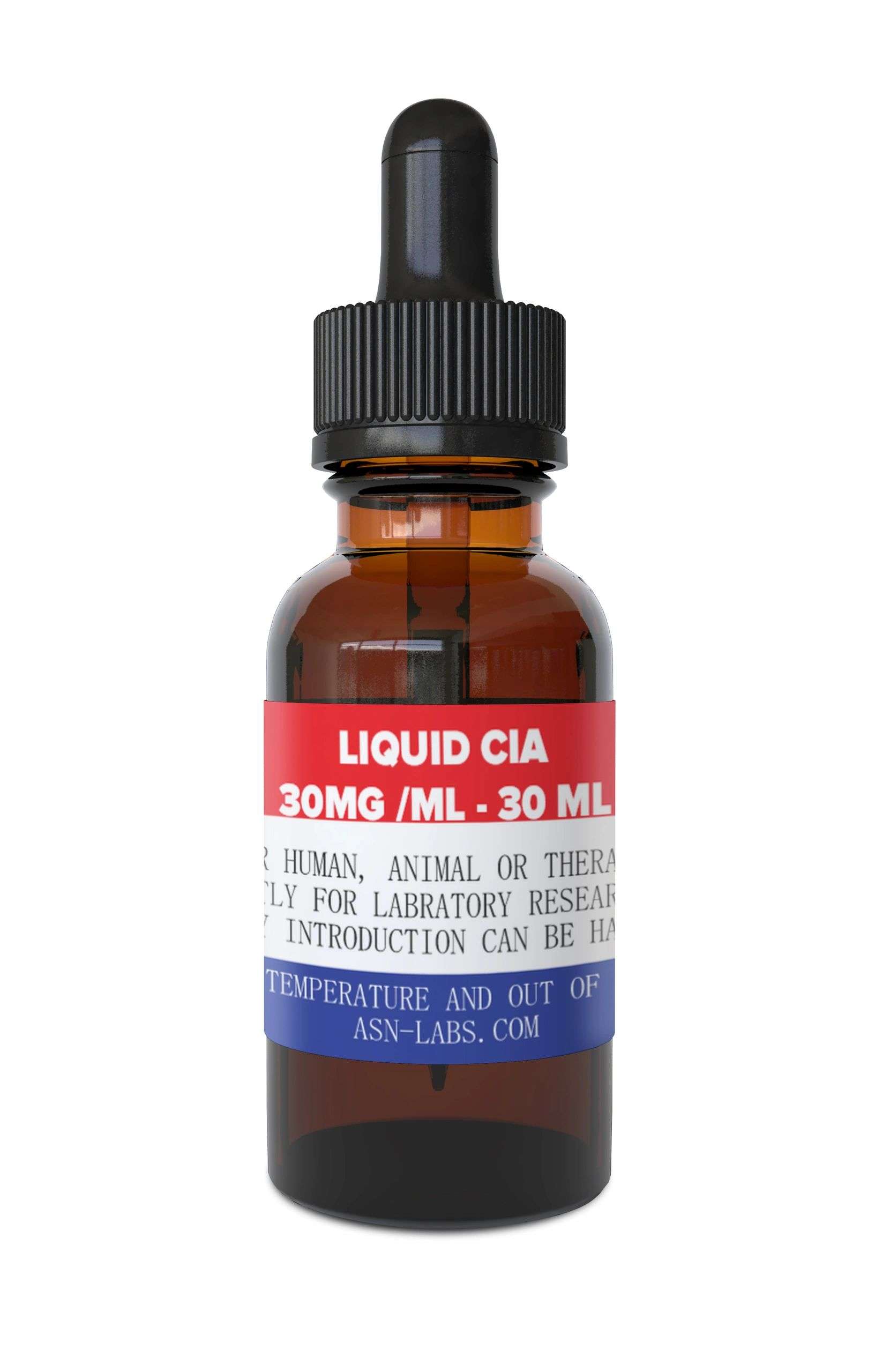
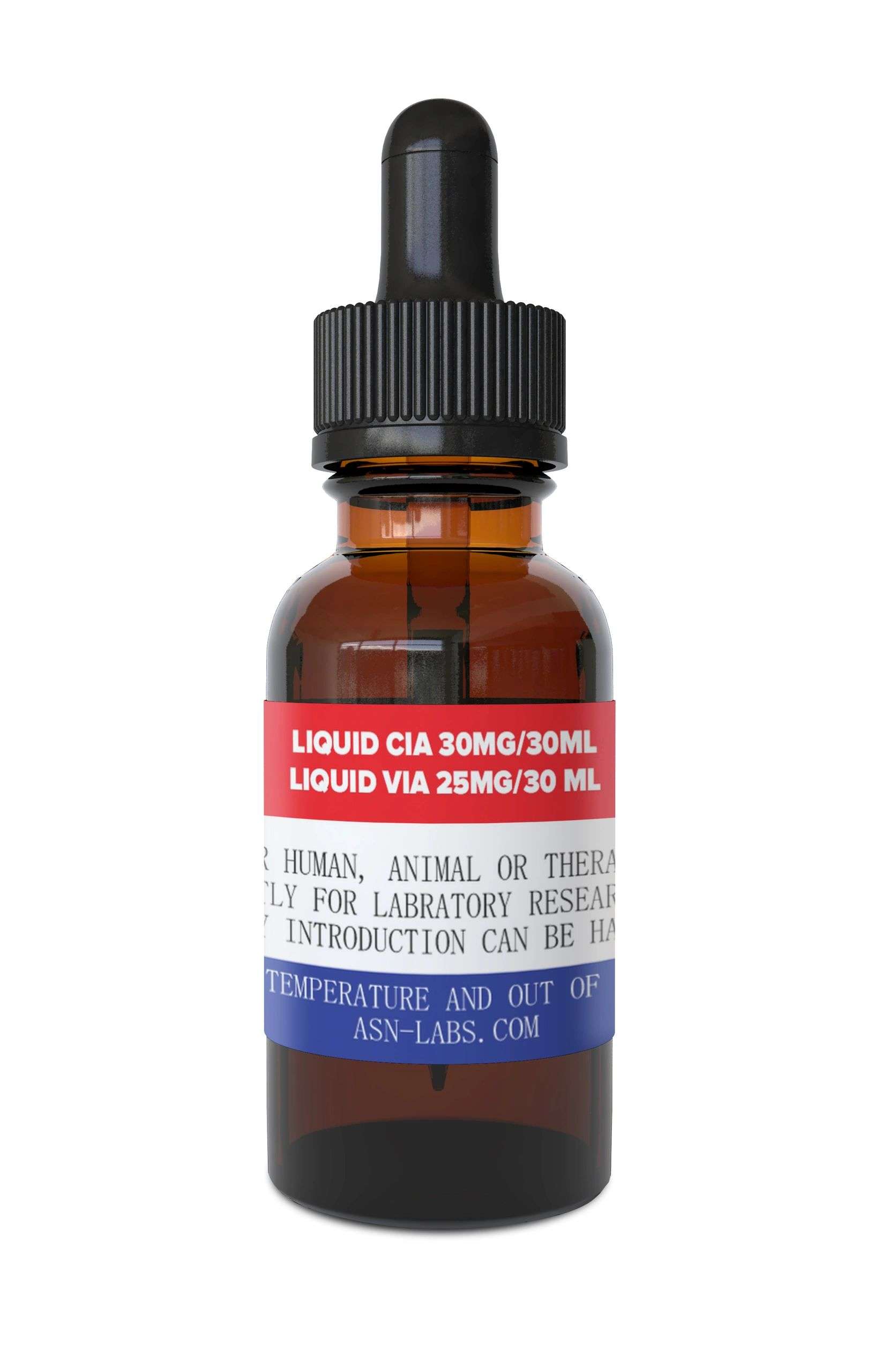
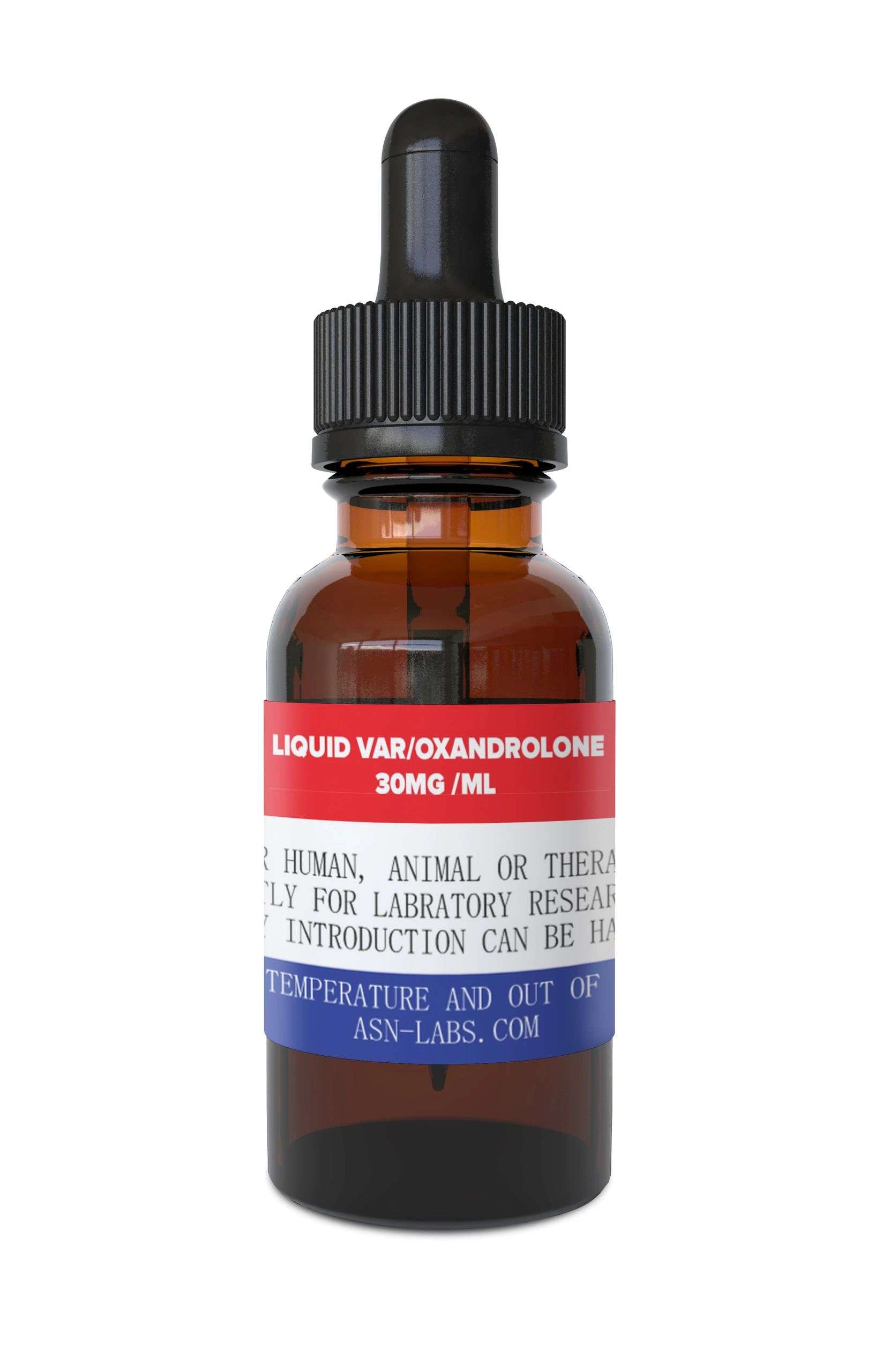
ASN-LABS approaches this category with that standard in mind: lab-tested research materials, clear research-use positioning, and a quality-first purchasing experience for buyers who refuse to treat sourcing as an afterthought.
Evidence, Risk, and Regulatory Status Belong in Every Comparison
The appeal of SARMs often comes from their selective design. The limitation is that selectivity is relative, not absolute. Depending on the compound, available data and reported concerns may include hormonal suppression, lipid changes, liver injury signals, cardiovascular risk factors, mood-related effects, and unknown long-term outcomes. Product-specific risk can vary, and the absence of a well-documented adverse effect is not evidence that none exists.
Regulatory status is equally direct. In the United States, SARMs are not approved by the FDA for bodybuilding, athletic performance, weight loss, or other consumer uses. They may also be prohibited under sports anti-doping rules. Anyone evaluating these materials must distinguish research discussion from medical guidance and avoid treating online product claims as clinical advice.
This is also why stacking claims deserve skepticism. Combining multiple investigational compounds compounds uncertainty. It becomes harder to identify which material produced a result, which one caused an adverse finding, and whether interactions changed the overall profile. From a clean research-design standpoint, more variables rarely create more clarity.
How to Compare Suppliers With the Same Precision
The compound is only half the equation. Before selecting a supplier, verify that the product name, concentration, lot number, and accompanying documentation match. Look for a clear statement that products are intended for research use only, not human consumption. Professional compliance language is a signal that the supplier understands the category’s boundaries.
Be cautious with suppliers that make medical promises, guarantee dramatic physique outcomes, or use vague purity language without batch-level support. “Pharmaceutical grade” is often used loosely in unregulated markets. Specific testing, transparent sourcing practices, and consistent labeling are more useful standards than oversized claims.
Shipping speed and packaging are practical considerations, particularly when a study depends on timing and stable inventory. Still, they should never outrank material verification. Fast delivery of an unverified compound is not a quality advantage.
The sharpest research buyers do not ask which SARM is strongest. They ask which compound has the most relevant evidence, the clearest identity, and the most defensible fit for the work in front of them. That mindset keeps the comparison focused where it belongs: precision over noise.