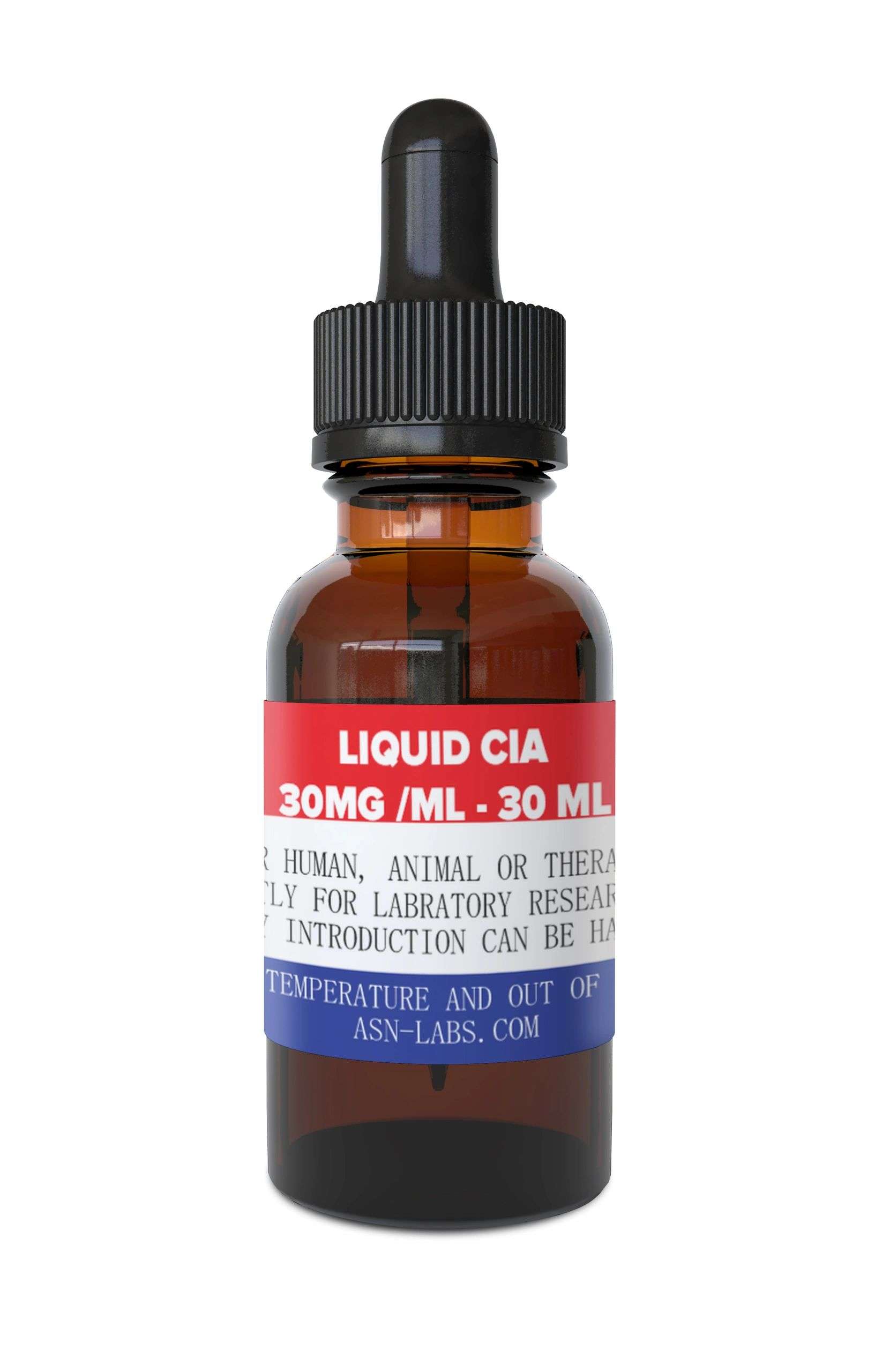
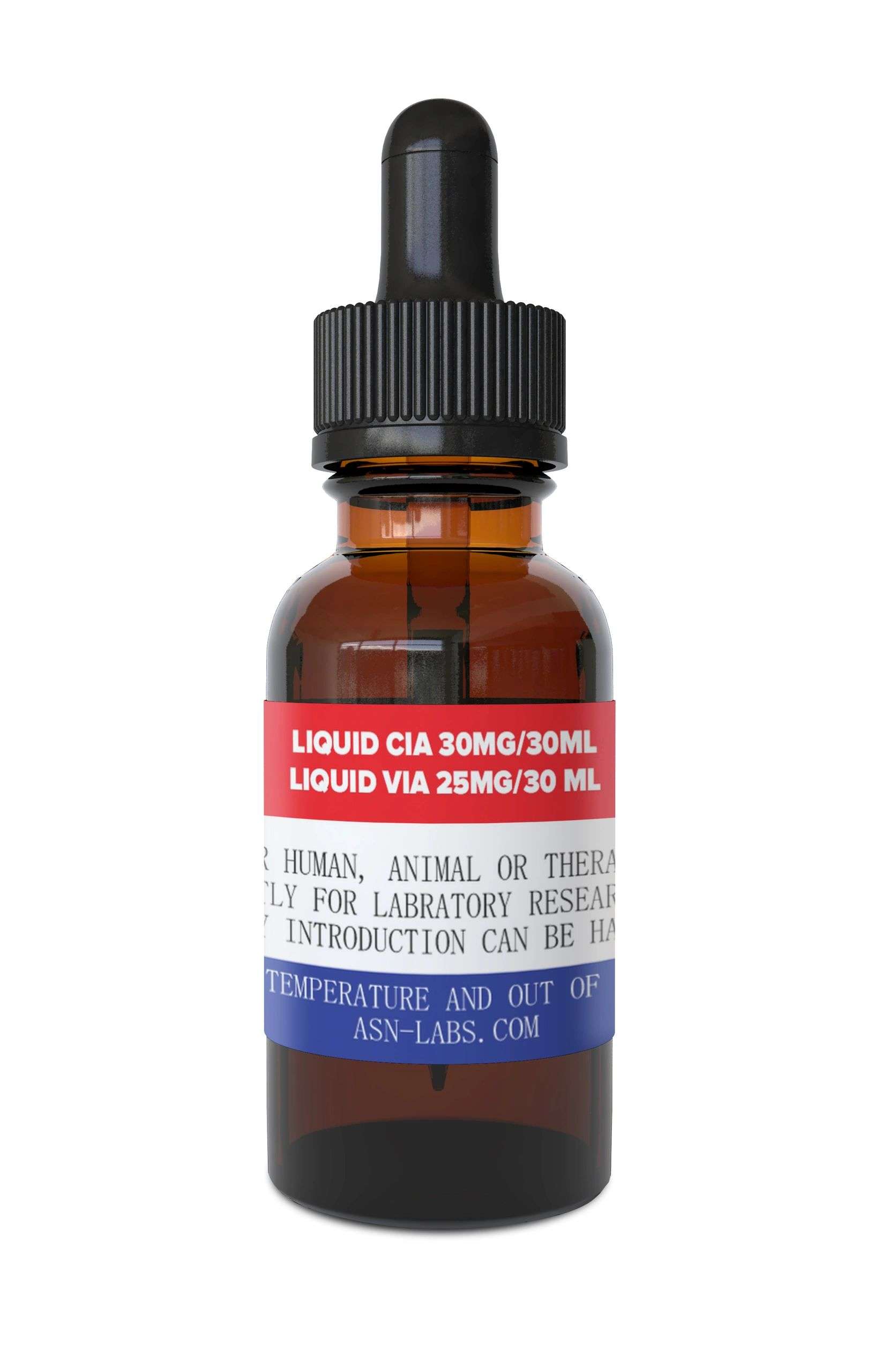
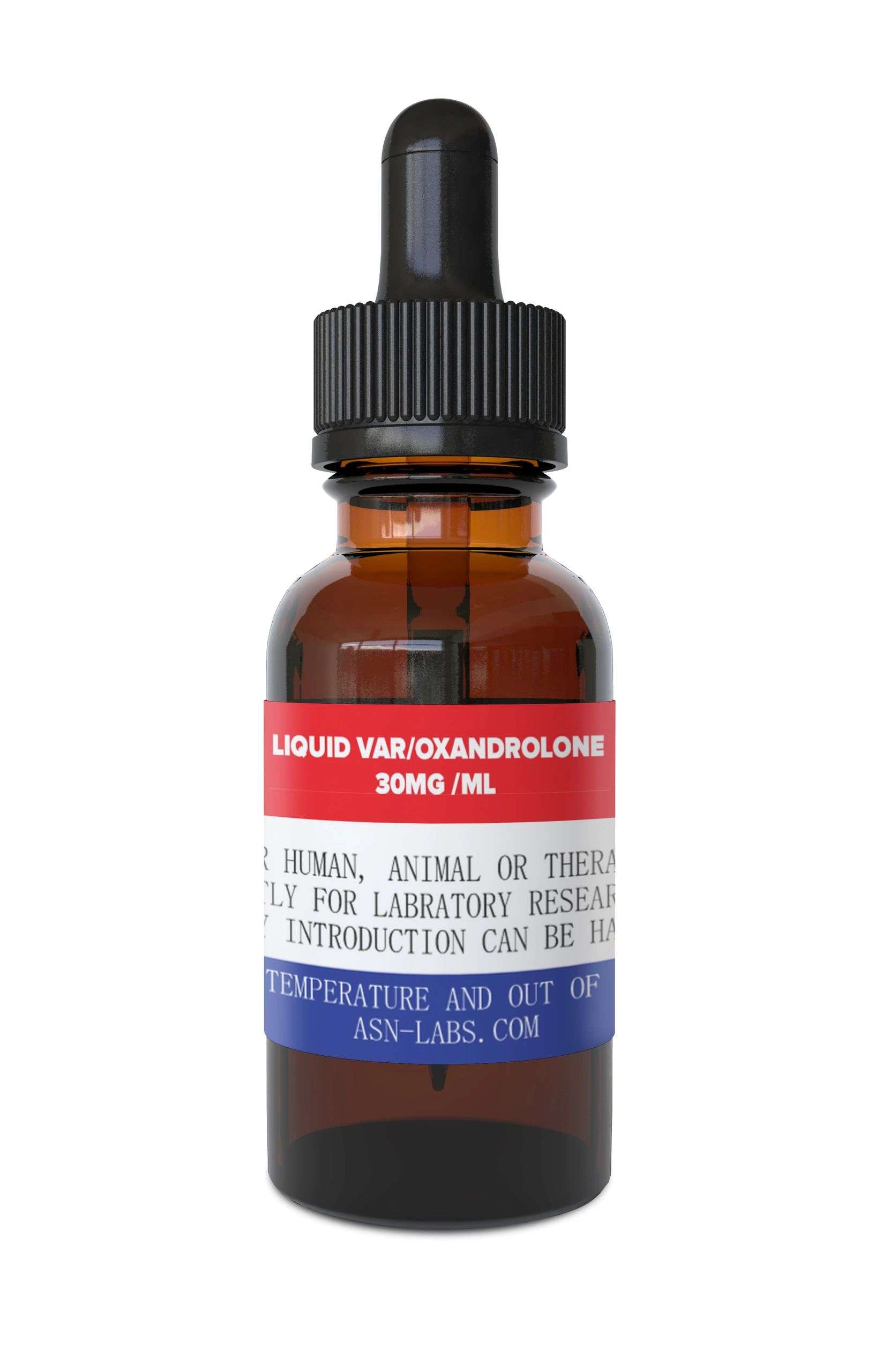
 Orders placed between June 24 and July 5 may experience slight processing delays due to inventory reconciliation and warehouse maintenance.



A mislabeled compound can compromise months of work before a data point is ever recorded. That is why nootropic research is not simply about selecting an ingredient associated with focus, memory, or cognitive pathways. It begins with knowing exactly what is in the vial, how it was handled, and whether the supplier can support its claims with documentation.
For serious researchers, quality is not a marketing extra. It is the baseline for interpretable results. A lower-priced material with uncertain identity, inconsistent concentration, or poor storage history may create noise that looks like a finding. Precision sourcing helps remove that uncertainty before a study begins.
Nootropic Research Starts With Identity
The first question is straightforward: does the supplied material match the stated compound? Identity confirmation is the foundation of any credible research workflow. If identity is unclear, every downstream observation becomes difficult to interpret.
A professional supplier should be able to clearly identify the compound, concentration, format, and intended research-use designation. Product labeling should be specific rather than relying on vague proprietary names or broad cognitive-support claims. Researchers should be cautious when a listing emphasizes dramatic outcomes but provides little technical information about what is actually being offered.
Identity matters because nootropic compounds can differ substantially in mechanism, stability profile, and expected research behavior. Even compounds within a similar category may interact with different receptor systems, neurotransmitter pathways, or metabolic processes. Treating them as interchangeable introduces avoidable variables.
This is also where lot consistency becomes critical. A compound evaluated in one research cycle should be traceable to its lot or batch information. Without that record, it becomes harder to compare results across time, reproduce observations, or identify a possible source of variation.
Purity Is a Control Variable, Not a Sales Line
Purity claims are common. Verified purity is different.
In nootropic research, contaminants, residual solvents, degradation products, and unwanted analogs can alter results in ways that are easy to miss. A study may appear to show an unexpected effect when the actual cause is an impurity or an inconsistent preparation. That is not a small issue for researchers studying subtle endpoints, where a narrow change in response can carry significant weight.
Third-party analytical testing provides a stronger basis for evaluating a material than a generic claim on a product page. Depending on the compound and format, useful documentation may address identity, assay or purity, and relevant contaminant screening. The precise analytical method matters, but so does the transparency behind it. A credible supplier does not treat testing as a decorative badge. It treats testing as part of the product standard.
Purity also has a practical trade-off. The highest stated percentage alone does not tell the complete story. A meaningful evaluation considers whether the result is tied to the actual lot, whether the reporting is current, and whether the material was manufactured and stored under controlled conditions. A number without context is not the same as quality assurance.
Documentation Makes Results Defensible
Research moves faster when records are organized from the beginning. For each material, document the supplier, product name, lot number, date received, stated concentration, storage conditions, and available test information. This may sound basic, but it creates a chain of accountability that becomes invaluable when reviewing unusual findings.
A disciplined documentation process helps answer questions that otherwise become guesswork. Was the same lot used across each phase? Did storage conditions change? Was a fresh preparation used? Did the observed shift occur after a sourcing change? These details are often more valuable than another page of speculative interpretation.
For compounds intended strictly for laboratory research, appropriate labeling and compliance language also matter. Research-use positioning is not an empty disclaimer. It sets a boundary around how the material is represented, handled, and evaluated. Responsible suppliers make that boundary clear and do not blur it with unsupported consumer-health promises or personal-use instructions.
Stability Can Decide Whether Data Holds Up
A compound can be correctly identified and highly pure at release, then lose integrity through poor handling. Light exposure, heat, moisture, repeated temperature changes, and incompatible containers can all affect material stability. The exact risks depend on the compound, which is why blanket storage assumptions are a weak substitute for product-specific guidance.
Researchers should review the supplier’s stated storage requirements before placing an order, not after materials arrive. Consider the shipping environment, delivery timing, packaging, and the receiving process at the research site. Fast, dependable nationwide fulfillment is not merely a convenience when material stability may be time-sensitive. It is part of protecting the condition of the order.
Once received, materials should be logged and stored according to the documented requirements. Avoid relying on appearance alone. A compound can remain visually unchanged while its chemical profile shifts. When repeatability matters, controlled handling is a necessary part of the method.
Evaluate the Supplier, Not Just the Compound
The research compound market is crowded with bold claims. The strongest suppliers distinguish themselves through operational discipline: transparent specifications, lot awareness, consistent packaging, clear research-use labeling, and a credible approach to quality control.
Look for evidence that the supplier understands manufacturing and analytical standards rather than simply using technical language. Claims such as Made in the USA, lab-tested, or GMP-oriented should be supported by a professional purchasing experience and product information that holds up to scrutiny. If key details are difficult to locate or change from one listing to the next, that is a signal to slow down.
Price deserves context as well. Low pricing can be attractive, especially for larger research plans, but the cheapest option may be costly if it introduces uncertainty. On the other hand, premium pricing alone is not proof of quality. The right decision depends on the documentation, consistency, and traceability behind the material.
ASN-LABS is built around that standard of disciplined sourcing, with lab-tested, USA-manufactured research compounds positioned for researchers who require consistency rather than guesswork.
Build a Repeatable Research Intake Process
A reliable intake process prevents quality checks from becoming an afterthought. Before introducing any new nootropic material into a research workflow, establish a consistent review sequence. Confirm the product identity against the order record, retain the packaging and lot information, inspect the available analytical documentation, and log storage requirements immediately.
Then decide whether the material is appropriate for the intended model and research objective. A compound may be well sourced yet still be a poor fit for a particular protocol. Mechanism, existing literature, endpoints, controls, and potential confounders should guide selection. Quality sourcing reduces one category of risk. It does not replace sound experimental design.
This distinction matters for performance-oriented research. Cognitive outcomes are influenced by many variables, including baseline conditions, measurement tools, timing, and the study environment. Strong materials support better work, but they cannot rescue an unclear hypothesis or inconsistent method.
Demand Precision Before You Demand Results
The appeal of nootropics is understandable: cognition is a high-value research area with questions that span attention, memory, motivation, neuroprotection, and signaling. But the strongest research does not chase headlines. It controls variables, challenges assumptions, and places material quality near the top of the protocol.
Start with compounds that are clearly identified, professionally handled, transparently documented, and sourced through a supplier that treats consistency as a requirement. When the material is dependable, researchers can spend less time questioning the input and more time evaluating what the data actually says.