 Orders placed between June 24 and July 5 may experience slight processing delays due to inventory reconciliation and warehouse maintenance.



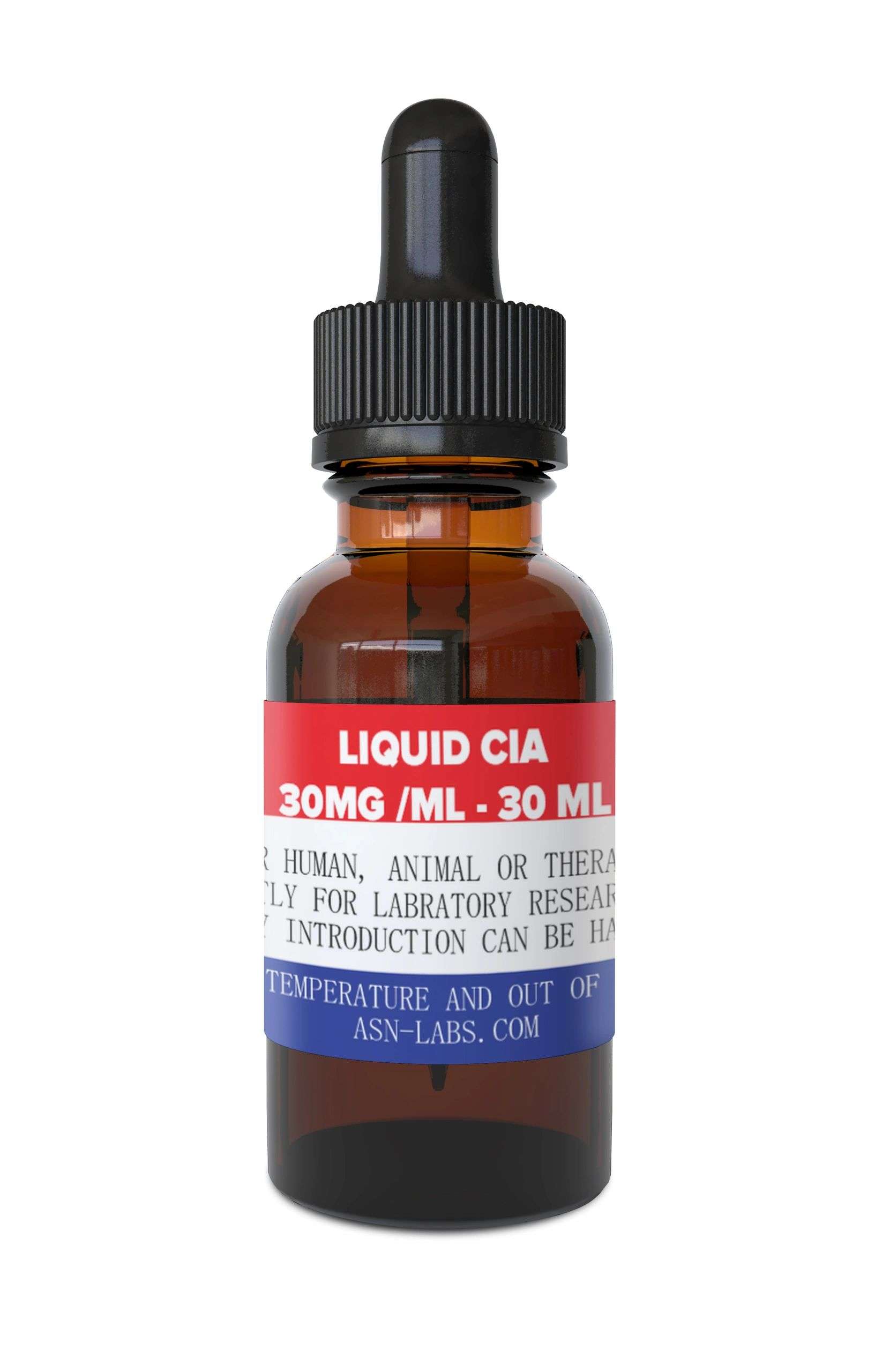
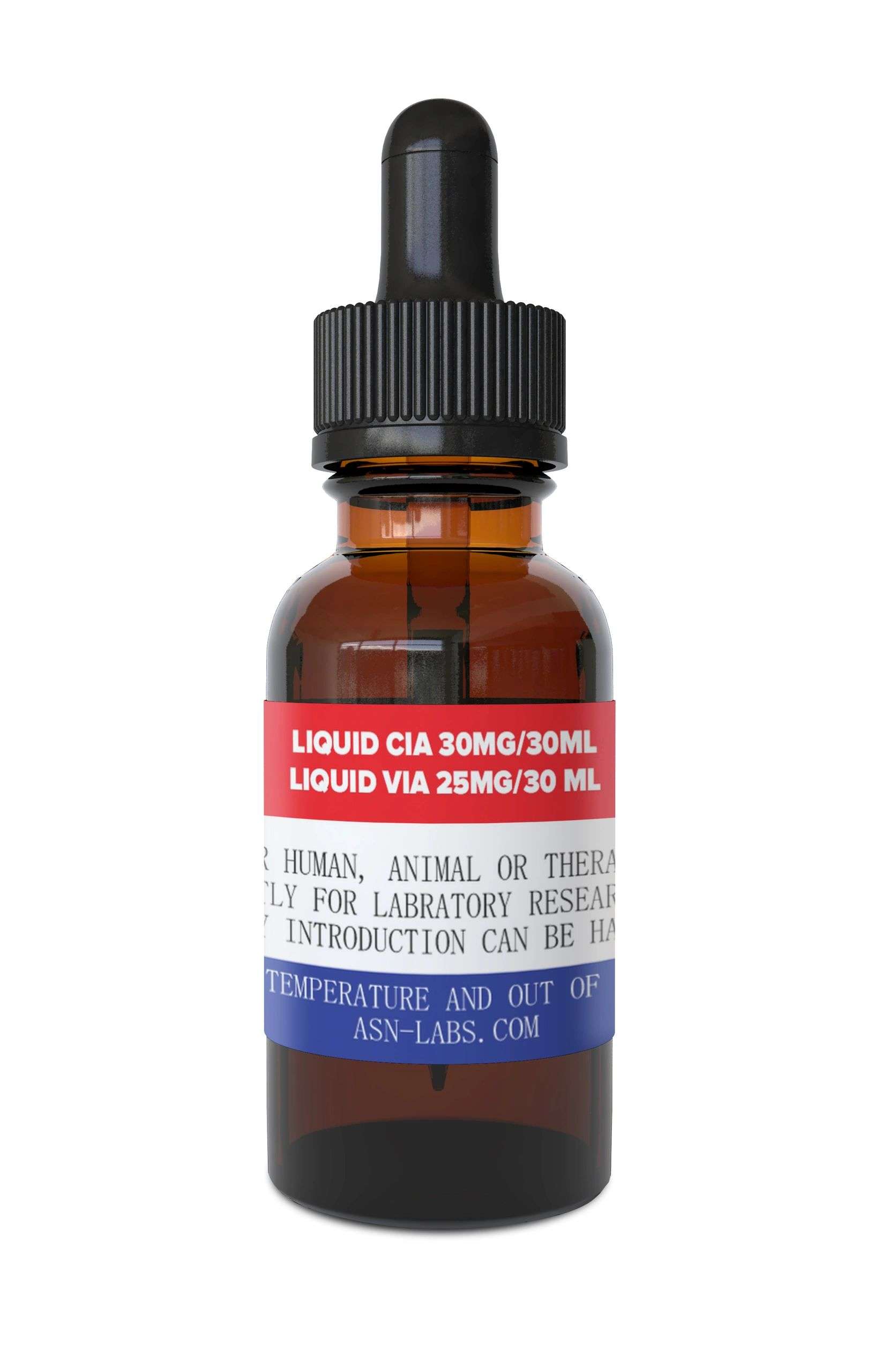
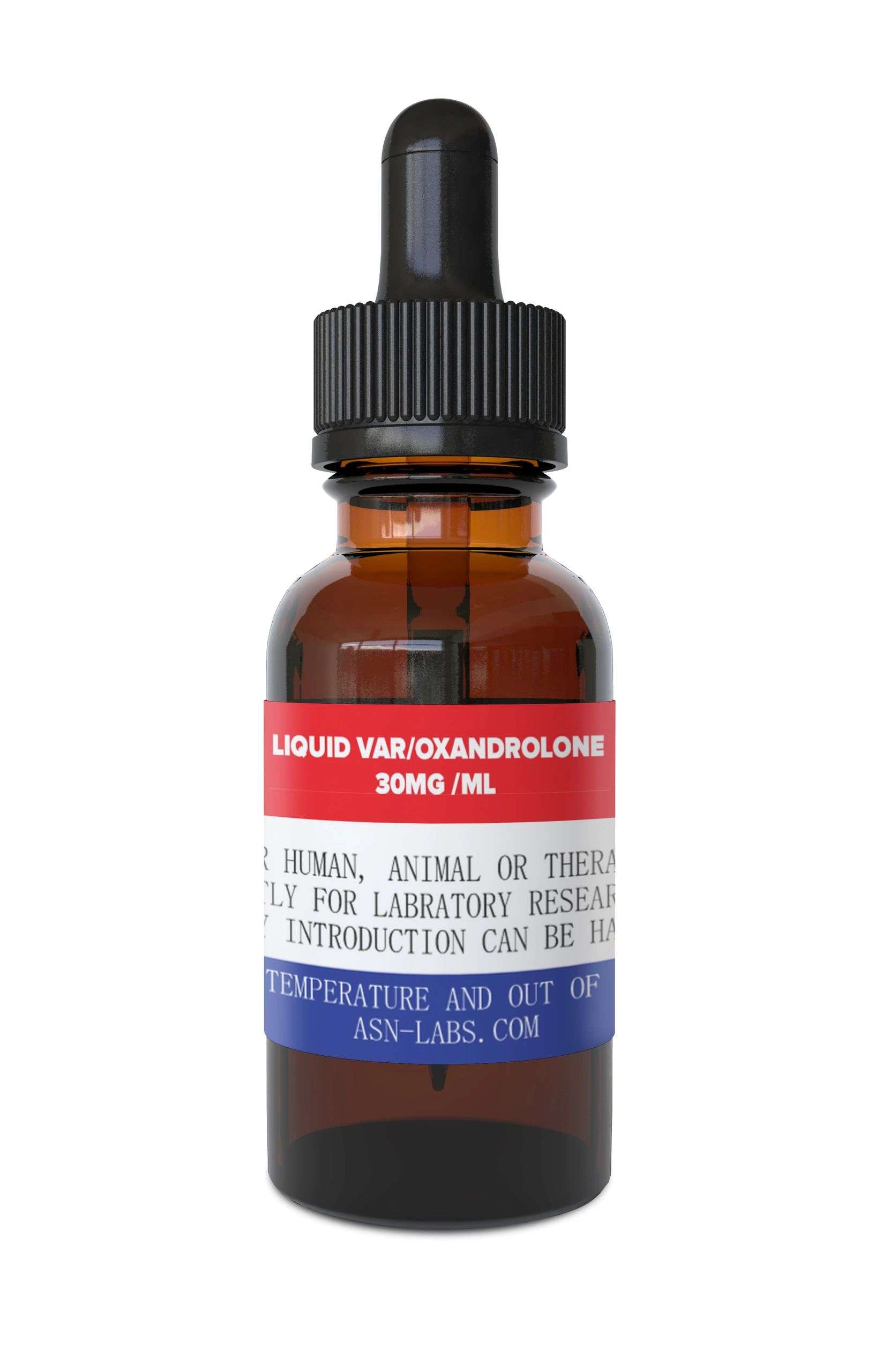
A label reading “for research use only” is not a shortcut around the law. For serious buyers, research compound regulation starts with a more disciplined question: Is this material being sourced, represented, handled, and used in a way that aligns with applicable federal and state requirements?
That distinction matters in categories that attract heavy attention, including SARMs, peptides, nootropics, and metabolic research compounds. Product quality, third-party testing, and domestic fulfillment can help establish supplier credibility. They do not, by themselves, determine a compound’s legal status or authorize human use. Buyers who understand the compliance landscape make stronger sourcing decisions and avoid treating marketing language as legal clearance.
Research Compound Regulation Is Not One Rule
Research compound regulation in the United States is a layered system. The answer can depend on the compound itself, its intended use, how it is promoted, whether it is controlled, how it is shipped, and the laws of the destination state.
The Food and Drug Administration regulates drugs, biologics, dietary supplements, and products marketed with disease-treatment or body-altering claims. If a product is intended for use in diagnosing, curing, mitigating, treating, or preventing disease, it may fall within FDA oversight. A compound can also be regulated as a drug based on intended use even when the seller does not use the word “drug” on its packaging.
That is why claims matter. Language suggesting that a material is intended to build muscle in people, produce weight loss, treat a condition, or replace medical care can create significant regulatory exposure. A research-use designation must be matched by the complete presentation of the product, from the label and product page to customer communications and advertising.
For buyers, the practical standard is simple: do not confuse a research product with an FDA-approved medicine, a dietary supplement, or a product cleared for human consumption. Those are separate categories with separate legal requirements.
The Difference Between Quality and Legal Status
Quality control and regulatory status are related, but they are not interchangeable. A batch can have a clear identity, a stated concentration, and a third-party certificate of analysis while still requiring careful legal review. Conversely, vague sourcing and missing documentation are immediate quality concerns even if a compound is not federally scheduled.
A credible supplier should be prepared to stand behind basic product-control practices. That includes lot-level traceability, identity and purity testing appropriate to the material, transparent storage guidance, and labeling that accurately identifies the product. For compounds sold as research materials, documentation should support the claim that buyers are receiving the stated compound rather than an unknown or substituted substance.
The strongest purchasing standard is not “Is this easy to buy?” It is “Can the supplier show what it is, where it came from, how it was tested, and what it is not being sold for?” That standard protects research integrity and helps separate professional operations from low-accountability sellers.
Certificates of Analysis Need Context
A certificate of analysis is valuable, but it should be read with discipline. A useful document connects to a specific lot or batch and identifies the testing method, date, and measured result. It should not be treated as a generic permission slip.
For example, a purity result may confirm that a sample meets a stated analytical threshold. It does not prove clinical safety, establish suitability for human administration, or override federal or state restrictions. It also does not replace the need for proper handling, storage, or controlled research protocols.
Federal Oversight: FDA, DEA, and Customs Considerations
Federal agencies may have overlapping interests in research compounds. The FDA focuses heavily on products that are introduced into interstate commerce as unapproved drugs or are marketed with prohibited health claims. The Drug Enforcement Administration enforces the Controlled Substances Act, which governs scheduled substances and can create serious consequences for unauthorized possession, distribution, or manufacture.
Some compounds are clearly scheduled. Others may require closer analysis because chemical structure, analog rules, intended use, or evolving enforcement priorities can affect risk. Buyers should never assume that a compound is unrestricted merely because it appears on a website or is discussed in online fitness communities.
Imports can add another layer of exposure. International shipments may be examined by Customs and Border Protection, and imported materials can be subject to FDA or DEA scrutiny depending on the substance and circumstances. Domestic sourcing may simplify fulfillment and improve supply-chain visibility, but it does not erase the need to assess a product’s legal classification.
This is where a U.S.-based, transparent supplier can be meaningful. Made-in-the-USA manufacturing claims, documented testing, and clear research-use positioning offer stronger accountability than anonymous overseas listings. Still, responsible buyers should evaluate each compound independently rather than relying on country of origin alone.
State Laws Can Change the Answer
Federal law is only part of the picture. States can impose their own restrictions on particular substances, chemical classes, sale practices, possession, or consumer protection claims. A compound that is not federally scheduled may still face state-level limitations. Requirements can also change quickly as legislatures and agencies respond to emerging compounds.
This creates a straightforward responsibility for buyers: review the law where the product will be delivered, stored, and used. The shipping address is not the only relevant location if materials will be transferred elsewhere. Organizations conducting legitimate research may also face institutional rules, licensing requirements, chemical hygiene policies, or ethics review obligations that go beyond state and federal law.
If the legal status is unclear, obtain advice from a qualified attorney or compliance professional familiar with the specific compound and jurisdiction. Forum posts, social media claims, and old product descriptions are not reliable legal guidance.
Why Marketing Discipline Protects Everyone
The line between scientific discussion and consumer drug marketing can be narrower than many buyers expect. Suppliers should avoid representing research compounds as personal performance products, medical therapies, or substitutes for clinical treatment. Buyers should be equally cautious about how they discuss, resell, or distribute materials.
This is especially relevant for performance-oriented categories. Interest in lean mass, recovery, focus, metabolic signaling, and body composition may drive demand, but demand does not change the regulatory framework. Research-use materials are not a workaround for prescription requirements, medical supervision, or approved therapeutic pathways.
A professional research-use marketplace makes boundaries visible. Product pages should identify materials accurately, avoid human-use directions, and maintain a consistent compliance position across ads, emails, labels, and support channels. When a supplier’s messaging conflicts with its research disclaimer, that is a reason to pause.
A Better Due-Diligence Standard Before Ordering
Before purchasing, serious buyers should assess the compound’s current federal status, relevant state restrictions, and the supplier’s documentation. They should also confirm that the product is being obtained for lawful research purposes and that storage, handling, and recordkeeping match the material’s risk profile.
For higher-scrutiny categories, ask more demanding questions. Is the identity supported by a current, lot-specific report? Is the seller making claims that look like drug marketing? Are the label and product page consistent? Is the supplier transparent about research-use limitations? Does the transaction create concerns based on your location, institutional policies, or intended work?
There is a trade-off here. The fastest purchase is not always the most defensible purchase. Premium sourcing means valuing traceability, accurate documentation, and compliant positioning over hype, vague purity claims, or unsupported promises.
Compliance Is Part of Precision
Performance-minded buyers already understand the value of precision. The same standard applies to research compound regulation. A serious operation does not treat labels, testing, sourcing, and legal status as separate boxes to check only when convenient. They are part of the same quality system.
Choose transparency over shortcuts, documentation over assumptions, and lawful research practices over internet speculation. That approach protects the credibility of the work, the integrity of the supply chain, and the standards that premium research materials should meet.