 Orders placed between June 24 and July 5 may experience slight processing delays due to inventory reconciliation and warehouse maintenance.



A nootropic stack can look impressive on paper and still produce unusable research if the compounds overlap, the materials are poorly documented, or the objective was never clearly defined. Knowing how to choose nootropic research stacks starts with discipline: one research question, a defensible rationale, and verified materials that support repeatable work.
For serious buyers and researchers, stacking is not about adding more products to a cart. It is about creating a focused research framework around cognition-related pathways while controlling variables that can compromise interpretation. Precision wins over complexity.
Start With One Defined Research Objective
The first decision is not which compounds to combine. It is what the stack is intended to examine. “Better focus” is too broad to guide a meaningful selection. A tighter objective might involve examining alertness-related signaling, memory-formation pathways, stress-response mechanisms, or the relationship between cholinergic activity and cognitive performance markers in an appropriate research model.
A stack built around a single primary objective is easier to evaluate because every component has a job. When a compound does not support that job, it creates noise. That noise can make it difficult to determine whether an observed effect is tied to one material, an interaction, an outside variable, or inconsistent handling.
Before selecting products, write a short research brief that identifies the hypothesis, the pathway or mechanism of interest, the intended observations, and the criteria that would make the work useful. This brief should also identify what the stack is not meant to test. Clear boundaries protect research quality.
How to Choose Nootropic Research Stacks by Mechanism
The strongest research stacks are mechanism-aware. Instead of combining compounds because they are commonly grouped under the nootropic label, consider whether their proposed actions are complementary, redundant, or potentially confounding.
A research design may examine compounds associated with different but connected areas, such as cholinergic signaling, catecholamine activity, neurotrophic signaling, cellular energy metabolism, or stress-related pathways. The goal is not to cover every mechanism at once. The goal is to select a limited number of materials that allow a specific interaction or comparison to be studied.
Complementary mechanisms can make a stack more informative. Redundant mechanisms can also have value, but only when redundancy is intentional and the research model is designed to distinguish additive effects from overlap. Combining several materials that all influence the same pathway may make a project harder, not easier, to interpret.
Ask three direct questions about every candidate compound: What is its proposed mechanism? What does it add that the existing stack does not? Could it obscure the interpretation of another material? If the answer to the second question is vague, it probably does not belong in the stack.
Avoid the “More Is Better” Trap
Large stacks are attractive because they promise a broad performance profile. In practice, they introduce more variables, more interaction questions, and more opportunities for poor documentation. A smaller stack with a clear logic usually produces cleaner observations than an overloaded formula with five or six overlapping compounds.
Start with a baseline condition and a simple comparison structure whenever the research design permits it. This makes it possible to understand whether each added variable changes the outcome being measured. Complexity should be earned through evidence, not assumed at the beginning.
Evaluate Material Quality Before Stack Logic
Even an intelligently designed stack cannot compensate for questionable source quality. Product identity, purity, consistency, and handling standards are foundational. If those elements are uncertain, downstream observations have limited value.
Prioritize suppliers that provide transparent product information, lot-specific documentation where applicable, and a clear commitment to quality control. Trusted sourcing should include more than aggressive labels or broad purity claims. Look for a professional standard of presentation, reliable batch practices, third-party testing claims that can be evaluated, and materials manufactured under controlled conditions.
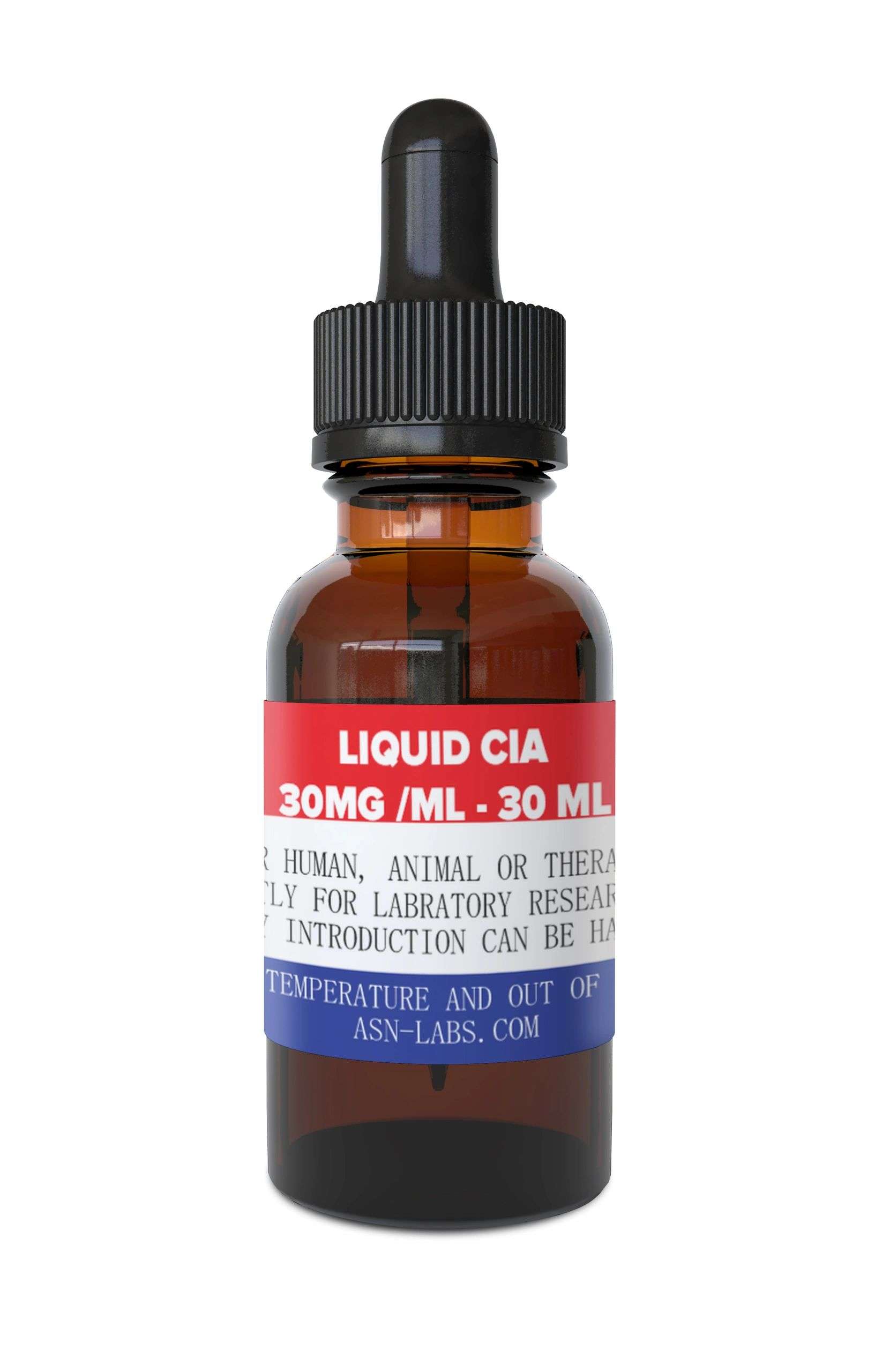
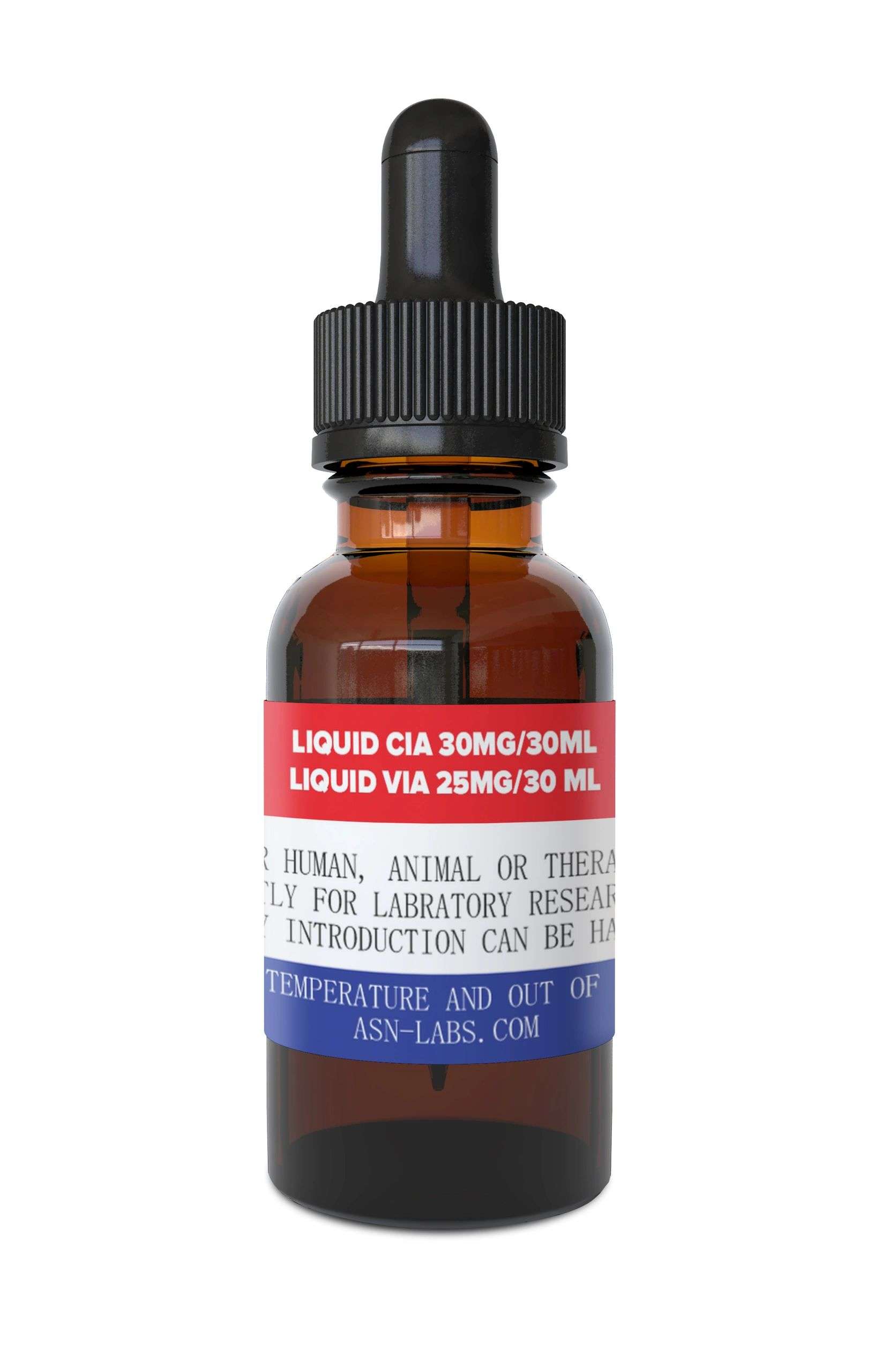
For buyers who value dependable U.S.-based sourcing, ASN-LABS emphasizes lab-tested research compounds, quality-driven manufacturing standards, and a professional research-use purchasing experience. Those trust markers matter because consistency is not a marketing detail. It is a requirement for repeatable research.
Material presentation matters as well. Confirm that labeling clearly identifies the compound, concentration or quantity, lot information when available, and appropriate storage guidance. Inconsistent labels, vague specifications, or unsupported purity language are reasons to pause before building a project around a product.
Build Around Compatibility, Not Hype
Compatibility includes more than mechanism. It also includes chemical stability, storage requirements, formulation format, solvent considerations, and the practical ability to manage each material under the same research protocol. A stack may appear theoretically sound but become operationally weak if its components require incompatible handling conditions.
Review available technical documentation and determine whether each compound can be tracked consistently throughout the research process. If one material requires substantially different storage, preparation, or observation conditions, decide whether the added complexity is justified by the hypothesis.
Compatibility also means respecting uncertainty. Research compounds can have limited literature, emerging evidence, or context-dependent effects. That does not automatically exclude them from study, but it does require a more conservative design. Avoid treating early findings as settled fact or assuming that a promising mechanism guarantees a useful combined profile.
Keep Variables Controlled
A stack should never become an excuse to ignore research controls. Document the source, lot, storage environment, preparation method, timeline, and all relevant observational conditions. If the purpose is comparative work, preserve consistency across conditions wherever possible.
The most useful research records typically include the following:
- The objective and pre-defined hypothesis for the stack
- Each compound’s proposed role and mechanism of interest
- Product identification, lot details, and quality documentation
- Storage, handling, and preparation records
- Observations, deviations, and conditions that could affect interpretation
This level of documentation separates serious research from casual experimentation. It also makes it easier to identify whether a result deserves follow-up, revision, or rejection.
Account for Risk, Compliance, and Research Boundaries
Nootropic research compounds are not interchangeable consumer supplements. Their legal status, intended research applications, available safety information, and handling requirements can differ substantially. A responsible selection process includes reviewing the current regulatory landscape and ensuring the work is appropriate for the intended research setting.
Products sold for research use are not intended for human consumption. Buyers should not treat product descriptions, pathway discussions, or compound categories as medical guidance, treatment advice, or an endorsement of personal use. Qualified researchers must follow applicable laws, institutional requirements, laboratory procedures, and safety practices.
This boundary is especially relevant when evaluating stacks marketed around high-performance language. Marketing can identify areas of research interest, but it cannot replace a sound protocol. The standard should remain the same: define the question, verify the material, control the variables, and document the result.
Choose a Stack That Can Evolve With Evidence
A strong initial stack is not necessarily a permanent one. The best research frameworks leave room for refinement as observations accumulate. If one material adds no meaningful signal, remove it. If an unexpected interaction appears, isolate it before expanding the design. If the original objective changes, rebuild the stack rather than forcing old components into a new question.
This approach protects both budget and research integrity. Premium, lab-tested materials deserve a deliberate protocol, not a speculative pile-on. It also keeps the project centered on measurable outcomes instead of trend-driven product selection.
The most credible nootropic research stack is rarely the biggest or most aggressive. It is the one built with a specific purpose, sourced with confidence, managed with control, and refined only when the evidence gives you a reason to move forward.