 Orders placed between June 24 and July 5 may experience slight processing delays due to inventory reconciliation and warehouse maintenance.



A cognitive compound is only as useful as the evidence behind it and the material inside the vial. That is the standard that should shape every search for cognitive research compounds online. Sharp branding, ambitious product names, and bargain pricing cannot substitute for documented identity, controlled handling, and a supplier that treats each lot like research material rather than a commodity.
For serious buyers, the question is not simply where to find nootropic-oriented compounds. It is how to identify a supplier capable of delivering consistent, traceable material for legitimate laboratory research. The difference matters when a project depends on reproducibility, clean records, and confidence that the labeled compound is the compound received.
What Cognitive Research Compounds Are Built to Study
Cognitive research compounds are materials investigated for their potential relationship to pathways involved in focus, memory, motivation, neuroprotection, stress response, wakefulness, or neurotransmitter signaling. That category can include nootropic research materials, peptides, and other advanced compounds used to examine biochemical mechanisms in controlled settings.
The phrase “cognitive support” is often used too loosely online. It can describe very different research questions, from receptor-binding activity and cellular signaling to behavioral models and metabolic interactions. A product page that promises a feeling but provides no meaningful compound information is not built for disciplined research.
A professional supplier frames materials accurately. It identifies the compound, concentration or mass, format, handling considerations, and research-use status without presenting unverified outcomes as guarantees. Research compounds are not approved drugs, and products sold for research are not intended for human or veterinary use. That boundary protects the integrity of the work as much as it supports proper compliance.
Why Buying Cognitive Research Compounds Online Requires More Scrutiny
Online access makes specialized compounds easier to source, but it also makes quality differences harder to see. Two listings may carry the same compound name while representing completely different standards in identity testing, purity verification, packaging, storage, and batch control.
Low-priced materials can look attractive until inconsistency disrupts an assay or makes records impossible to compare. A missing certificate of analysis, vague purity language, or an unexplained change in appearance may create more cost than any initial discount saved. For research buyers, reliability has a direct operational value.
The strongest online suppliers make their process visible. They do not expect buyers to accept “high purity” as a slogan. They support quality claims with lot-specific documentation, clear labeling, professional fulfillment practices, and a straightforward way to assess what is being purchased.
Purity is a starting point, not the whole standard
Purity percentage matters, but it is not the only measure of a credible material. The analytical method matters. The identity confirmation matters. The lot number matters. A high percentage without a traceable batch or method context gives a buyer less certainty than it first appears to.
For example, chromatography may help quantify purity and detect certain impurities, while mass-based analysis can help support molecular identity. Depending on the material, additional testing may be relevant. A credible supplier should be able to explain documentation in a way that is clear rather than evasive.
Batch consistency protects reproducibility
Research loses value when a compound behaves differently from one order to the next because the source lacks process discipline. Lot-to-lot consistency supports cleaner comparisons, more dependable observations, and better recordkeeping over time.
This does not mean every lot will have identical results down to the last decimal. It means the supplier has defined quality controls and does not treat batch variation as an afterthought. Look for clear lot identification on packaging and documentation that corresponds to the product received.
How to Evaluate an Online Research Compound Supplier
A polished storefront is easy to build. A dependable sourcing operation takes more work. Before purchasing cognitive research compounds online, examine the signals that point to real process control.
Start with documentation. A certificate of analysis should connect to the specific lot, identify the material, and provide results that are understandable enough to evaluate. Generic documents with no lot number, no date, or no analytical context should not carry the same weight as batch-specific records.
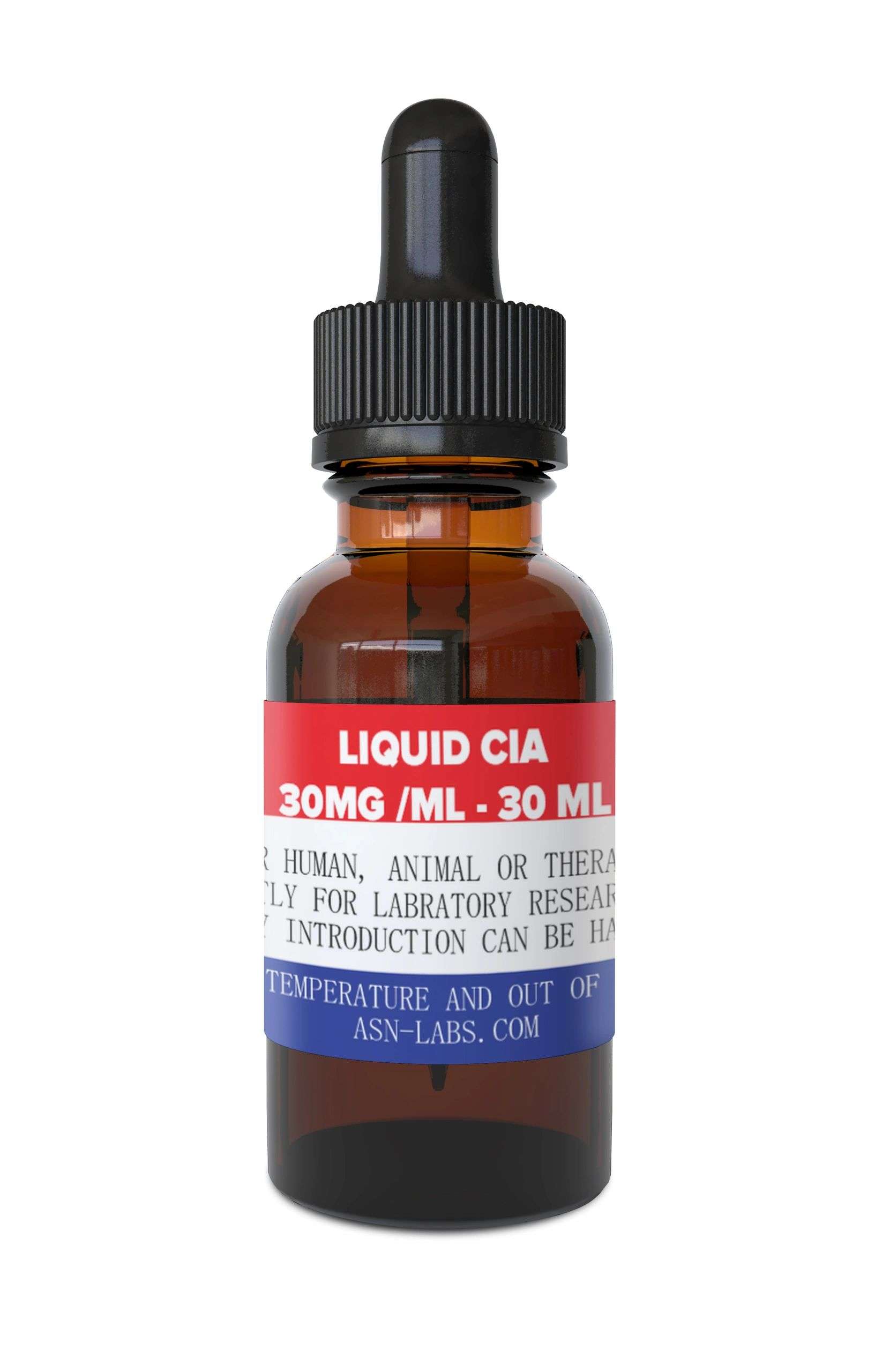
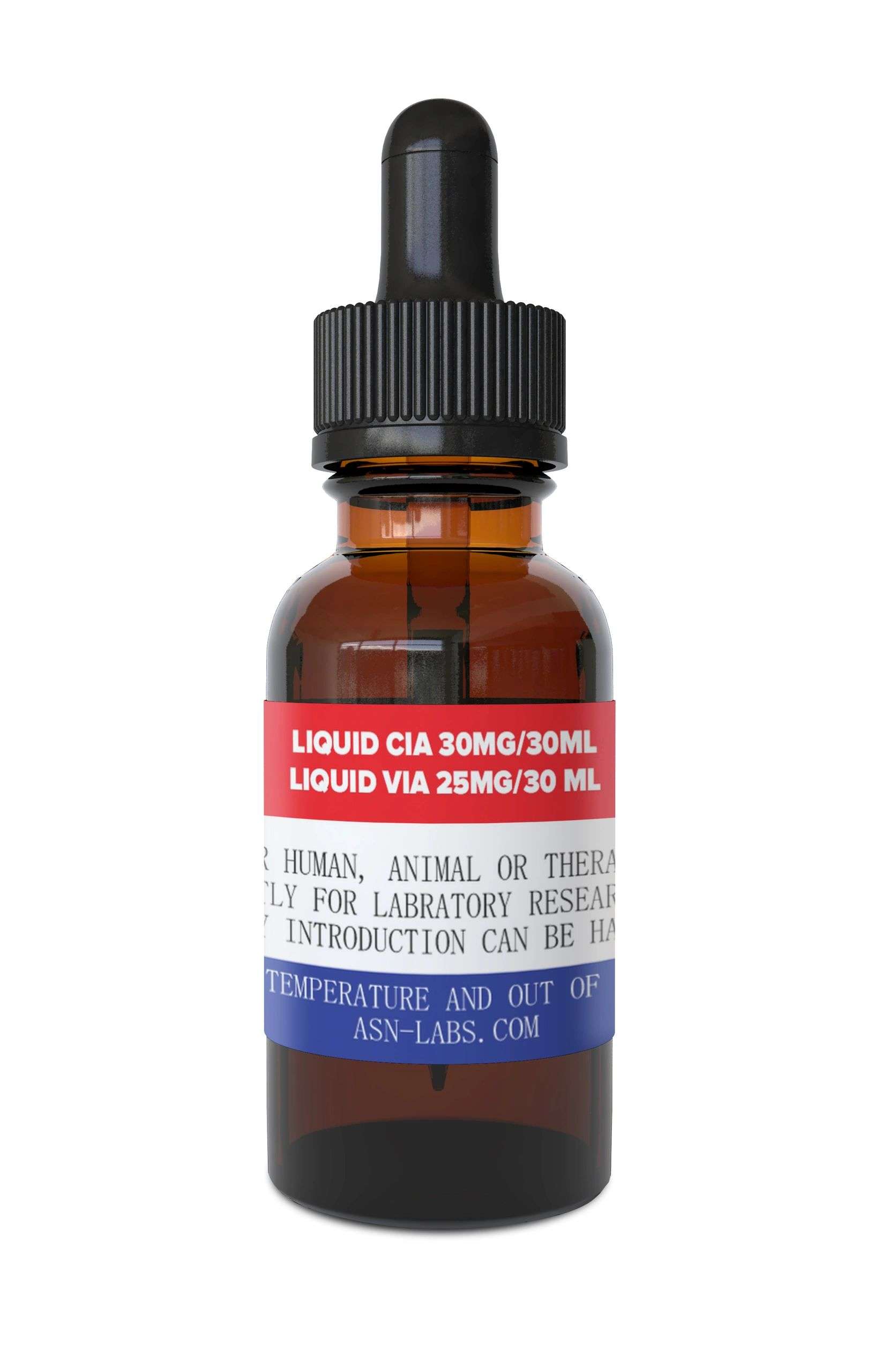
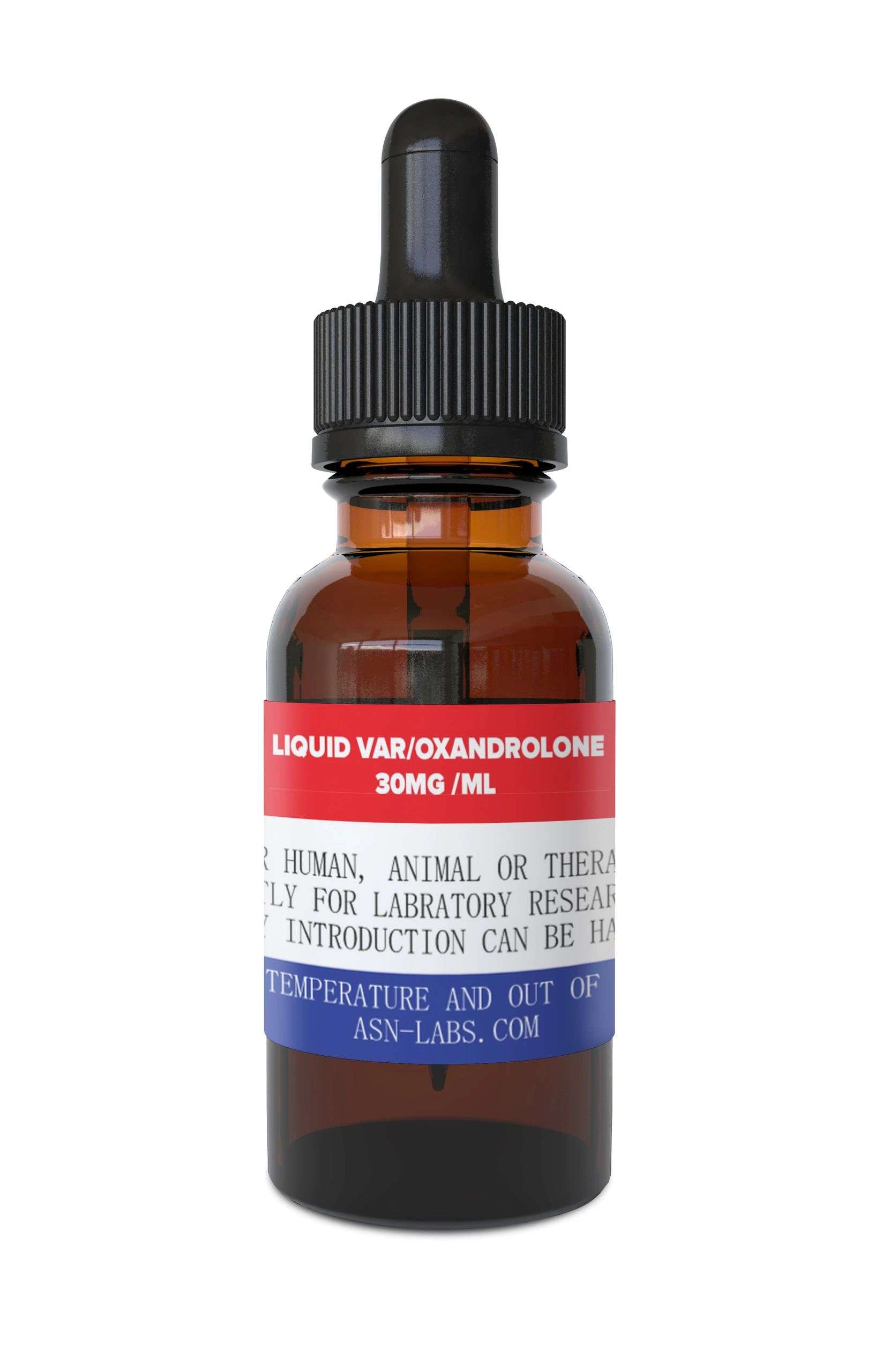
Next, assess product presentation. Labels should state what the material is and how much is included. Packaging should be appropriate for the compound format and designed to minimize avoidable handling issues during transit. Unclear labels, mismatched naming, or careless packaging are warning signs because they suggest the same lack of precision may exist upstream.
Then consider fulfillment. Domestic operations can offer practical advantages for U.S. buyers, including faster delivery windows, fewer handoffs, and simpler customer support. Fast shipping alone is not proof of quality, but fast, professional fulfillment paired with strong documentation reflects a supplier that understands the demands of repeat research purchasing.
Finally, read the compliance language. Responsible sellers maintain a clear research-use-only position and avoid presenting materials as dietary supplements, prescription alternatives, or approved treatments. A supplier willing to blur those lines is also showing a willingness to compromise on standards when a sale is on the line.
Documentation That Deserves a Closer Look
A certificate of analysis should inform a decision, not merely decorate a product page. Review whether the document includes a lot number, test date, compound name, purity result, and analytical method. If the certificate appears disconnected from the actual product or relies entirely on broad marketing language, ask better questions before placing an order.
Third-party testing carries particular value because it introduces independent verification. Still, buyers should look beyond the phrase itself. The useful question is whether the record is specific, current, and tied to the batch being sold. Testing that cannot be connected to the material in hand provides less confidence than testing that can.
Manufacturing claims deserve the same discipline. Made in the USA and GMP-oriented processes can be meaningful quality signals when backed by professional controls. They should not be treated as blanket proof that every material, every batch, and every step is automatically superior. The details determine whether the claim has substance.
The Cost of Chasing the Lowest Price
Research buyers understand that price is part of the equation. It is not the entire equation. Materials with unclear provenance may introduce variables that are difficult to identify after the fact: questionable identity, inconsistent concentration, degradation from poor storage, or contamination that was never screened.
Those variables can consume time, waste supporting materials, and complicate interpretation. A lower checkout total is not a bargain if it adds uncertainty to the work. Premium sourcing is not about paying more for a label. It is about paying for controls that reduce preventable doubt.
There are situations where a less expensive option may be adequate for preliminary, non-critical screening. But when repeatability, comparative work, or project documentation matters, lot traceability and testing transparency should carry more weight than an aggressive discount.
Building a Better Purchasing Standard
The most effective buyers create a consistent evaluation process rather than shopping from impulse. They compare documentation before price, retain lot information when materials arrive, and inspect packaging before materials enter a research workflow. This approach turns procurement into part of quality control.
It also helps to buy from suppliers that maintain a focused catalog and communicate directly about product standards. ASN-LABS centers its approach on lab-tested, USA-manufactured research materials, clear product positioning, and dependable nationwide fulfillment for buyers who expect more from their source.
Avoid treating every compound in a category as interchangeable. Chemical form, concentration, storage expectations, and available analytical records can differ. The right choice depends on the requirements of the research objective, not on what happens to be trending across fitness or biohacking circles.
Precision Starts Before the Package Arrives
The best online purchasing decision is rarely driven by the loudest claim. It is driven by a supplier’s ability to show its work: identified lots, meaningful testing, disciplined packaging, compliant positioning, and a process built for repeatability. Set that standard before ordering, and every research decision that follows begins on firmer ground.