 Orders placed between June 24 and July 5 may experience slight processing delays due to inventory reconciliation and warehouse maintenance.



A low price can make compound sourcing look simple. For serious research buyers, it is usually the first sign to ask better questions. The real value sits behind the listing: verified identity, lot-level documentation, controlled manufacturing, accurate labeling, and a fulfillment process that protects product integrity from release to delivery.
Research compounds are not interchangeable commodities. Two products with the same name can differ in assay, impurity profile, fill accuracy, handling history, and traceability. When precision matters, sourcing decisions should be built around evidence, not flashy claims, forum chatter, or a temporary discount.
Compound Sourcing Starts With Supplier Accountability
A reliable supplier is willing to stand behind the details of its operation. That means clearly identifying products, maintaining consistent specifications, and making relevant documentation available for the specific material being offered. Vague descriptions such as “premium grade” or “maximum strength” are not substitutes for measurable quality controls.
Start by looking at whether the supplier presents a professional, consistent research-use framework. Product pages should distinguish the compound, format, concentration or mass, storage expectations where applicable, and intended research designation. The language should not blur the line between laboratory materials and products intended for human consumption.
Accountability also shows up in how a supplier handles questions. A serious operation can explain what its test report covers, whether results apply to a defined lot, and how it manages discrepancies. It does not need to promise impossible perfection. It does need to be direct about its standards and limitations.
Read Testing Documents Beyond the Headline
“Lab-tested” is a meaningful trust marker only when the underlying documentation is specific enough to evaluate. A certificate of analysis, often called a COA, should do more than display a compound name and an attractive purity number. At minimum, buyers should look for a clear product identifier, lot or batch reference, test date, test method, and reported result.
Assay matters because it indicates the measured amount of the target analyte. But assay alone does not answer every quality question. Depending on the compound and format, relevant testing may also address identity, residual solvents, microbial contamination, moisture, heavy metals, endotoxins, or related substances. Not every panel applies to every material. The point is that the testing should fit the material and the risks associated with its manufacture and handling.
Third-party testing adds independence, but it is not a magic phrase. Ask whether the report is tied to the lot currently being shipped and whether the information is current. A generic report that cannot be connected to the item in hand offers less assurance than a traceable document linked to a specific batch.
For research buyers comparing suppliers, this is where cheap listings often lose their edge. A lower price may reflect efficient operations. It may also reflect lighter testing, unclear batch control, or product that has been sitting without transparent storage history. The documentation tells you which is more likely.
Purity Is Not the Only Standard
High reported purity is valuable, but it should be considered alongside identity and consistency. A material can show a strong assay result while still raising questions about whether it is the correct compound, whether the sample represents the full lot, or whether the packaging and fulfillment process preserve the material after testing.
The strongest sourcing standard is repeatability. Buyers should be able to expect the same documented product specifications from one lot to the next, with transparent notice when a specification changes. Consistency is what makes a supplier useful for ongoing research rather than a one-time gamble.
Manufacturing Controls Protect the Details
Quality is built before a COA is issued. Manufacturing standards, raw-material qualification, equipment cleaning, controlled weighing, packaging practices, and batch records all shape the final product. Suppliers that operate with GMP-oriented discipline are better positioned to reduce preventable variation, even when materials are clearly labeled for research use only.
Made in the USA claims can be relevant, but they should be viewed as one part of a larger quality picture. Domestic manufacturing may support closer operational oversight and faster fulfillment, yet origin alone does not prove assay or purity. The stronger question is whether a supplier pairs its manufacturing claims with testing, traceability, and consistent product controls.
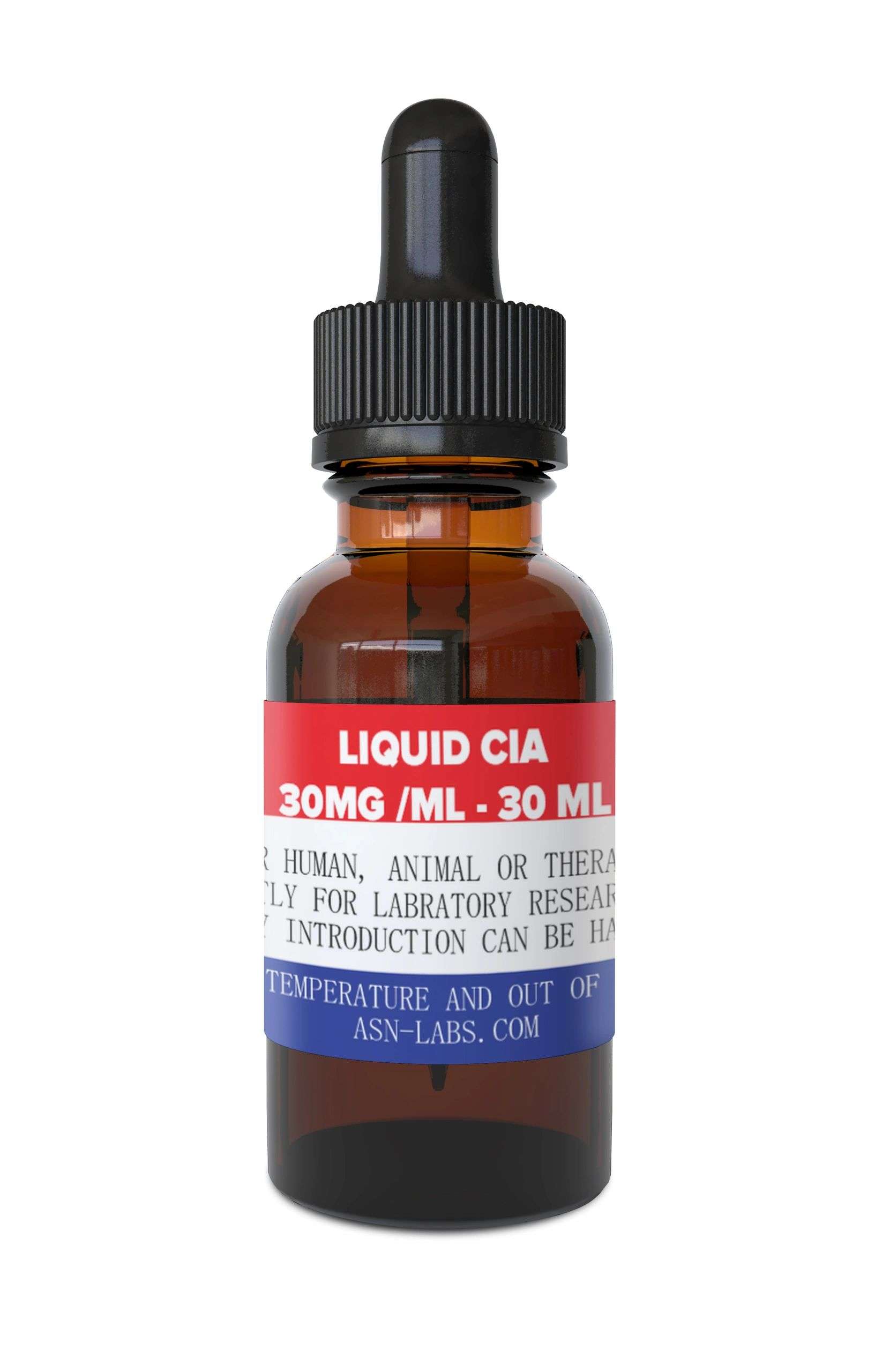
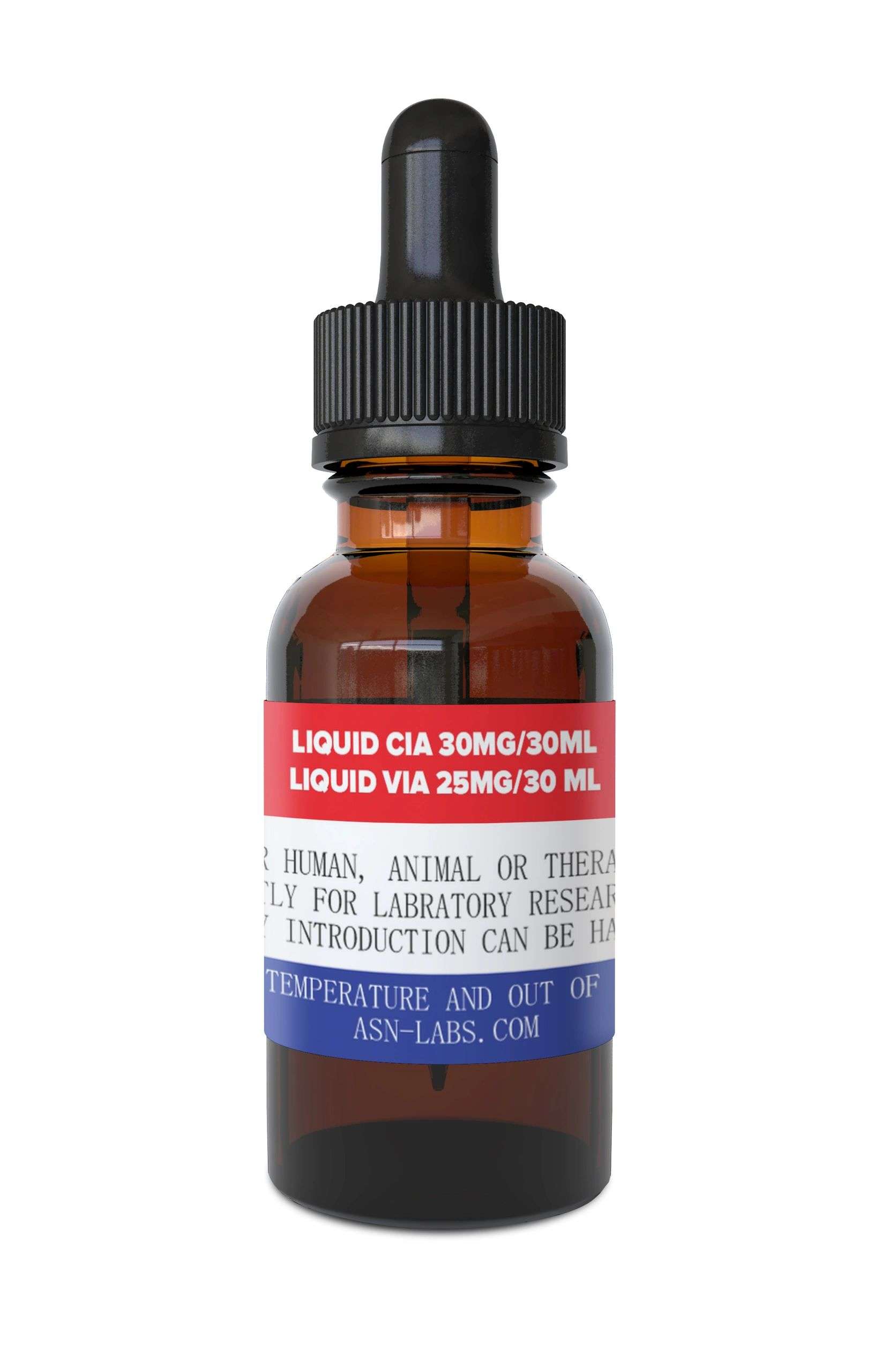
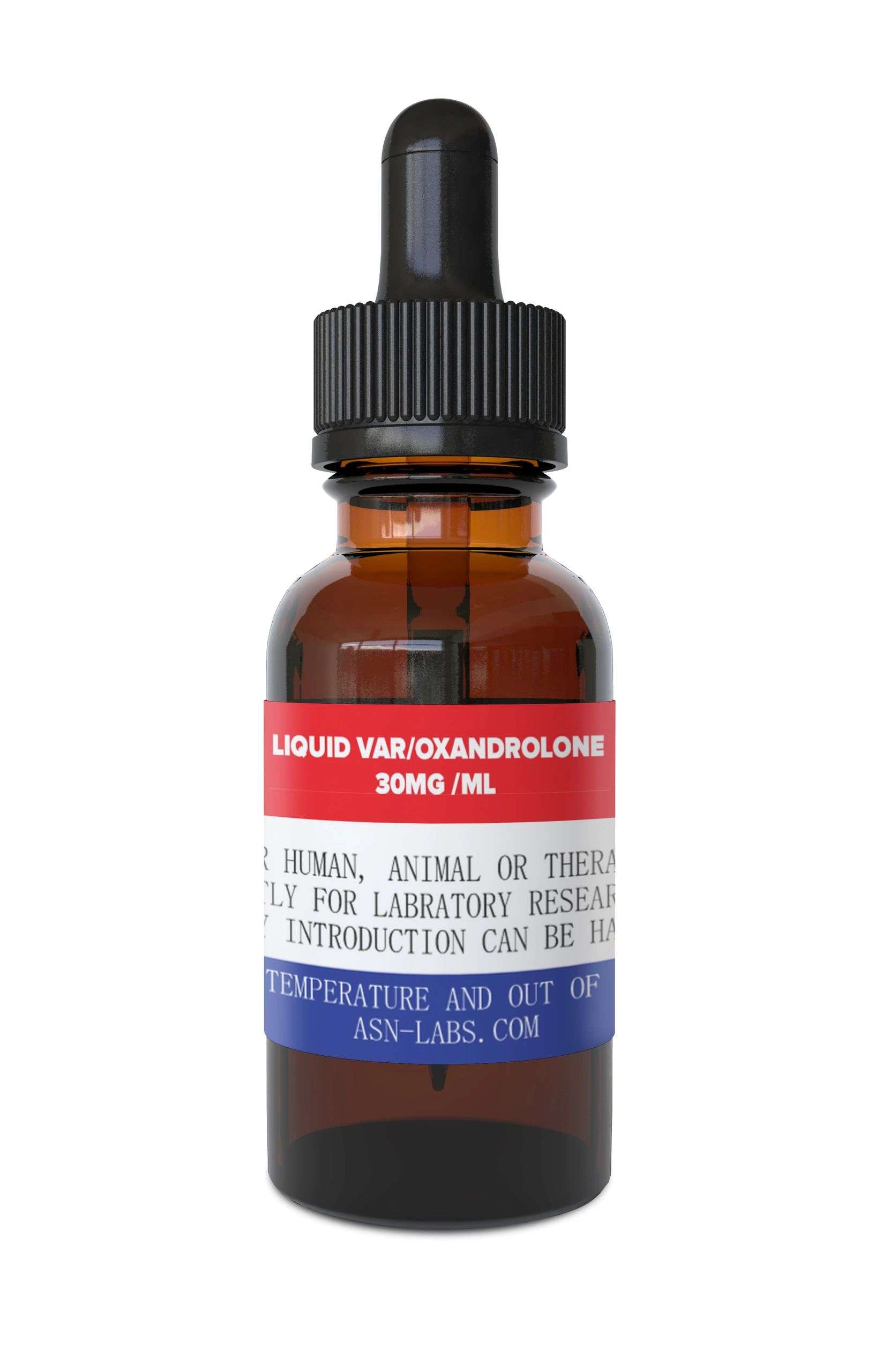
Packaging deserves the same scrutiny. Proper labels should identify the material and quantity, while packaging should be appropriate to the product’s storage needs. Sensitive materials may require protection from heat, light, air, or moisture. A supplier cannot control every condition after delivery, but it should not create avoidable exposure during packing and transit.
Compare the Total Cost of Compound Sourcing
The lowest listed price is rarely the true cost of acquisition. If a product lacks traceable testing, arrives with unclear labeling, or varies from prior orders, the apparent savings can disappear quickly. This is especially true for buyers running repeat work, managing limited research budgets, or trying to maintain comparable conditions across a project.
When comparing options, weigh the price against four practical factors: documented quality, batch consistency, order accuracy, and shipping reliability. These are not extras. They affect whether the material can be evaluated with confidence and whether your procurement process remains efficient.
Reliable fulfillment is particularly important for time-sensitive research schedules. Inventory status should be accurate, orders should be packed professionally, and shipping expectations should be clear. Fast nationwide shipping is valuable when it is supported by inventory discipline rather than exaggerated delivery promises.
A trusted supplier also makes reordering straightforward. Clear product naming, stable specifications, accessible documentation, and responsive support reduce friction when buyers need to reference a prior lot or evaluate a new batch. That operational consistency is a competitive advantage, not a cosmetic feature.
Red Flags That Deserve a Second Look
A supplier does not need a perfect website to be credible, but certain patterns should prompt more scrutiny. Missing batch information, recycled reports with no identifiable testing details, contradictory specifications, and claims that sound too broad to verify are all reasons to pause.
Be cautious with sellers that treat technical questions as an inconvenience or rely entirely on aggressive promotional language. Performance-focused branding can be useful when it is backed by evidence. Without documentation, it is just positioning.
Other concerns include unclear research-use labeling, product images that do not match the listed format, unexplained changes in concentration or quantity, and unusually steep discounts on materials that supposedly require extensive testing and careful handling. None of these signals independently proves a problem. Together, they can reveal a supplier that prioritizes volume over control.
Build a Repeatable Supplier Review Process
The best purchasing decisions do not depend on memory or impulse. Create a simple review standard and apply it every time you assess a new supplier or lot. Confirm the product identity and specifications, review lot-linked testing, evaluate the relevance of the test panel, check packaging and storage information, and verify that the supplier’s policies match its quality claims.
Keep records of product details, lot numbers, COAs, delivery dates, and any communication about the order. This creates a usable trail for internal comparison and makes it easier to identify consistency over time. It also protects against a common sourcing mistake: assuming that a positive experience with one product automatically validates every other item a supplier sells.
For a supplier such as ASN-LABS, the standard should remain clear: research materials should be presented with disciplined documentation, transparent quality signals, and professional fulfillment. Buyers should expect a premium sourcing experience because dependable inputs support better research decisions.
The right supplier is not the one with the loudest claims or the lowest number on the screen. It is the one that gives you enough verifiable information to make a confident, repeatable decision. Before your next order, ask for the evidence that turns a product listing into a sourcing standard.