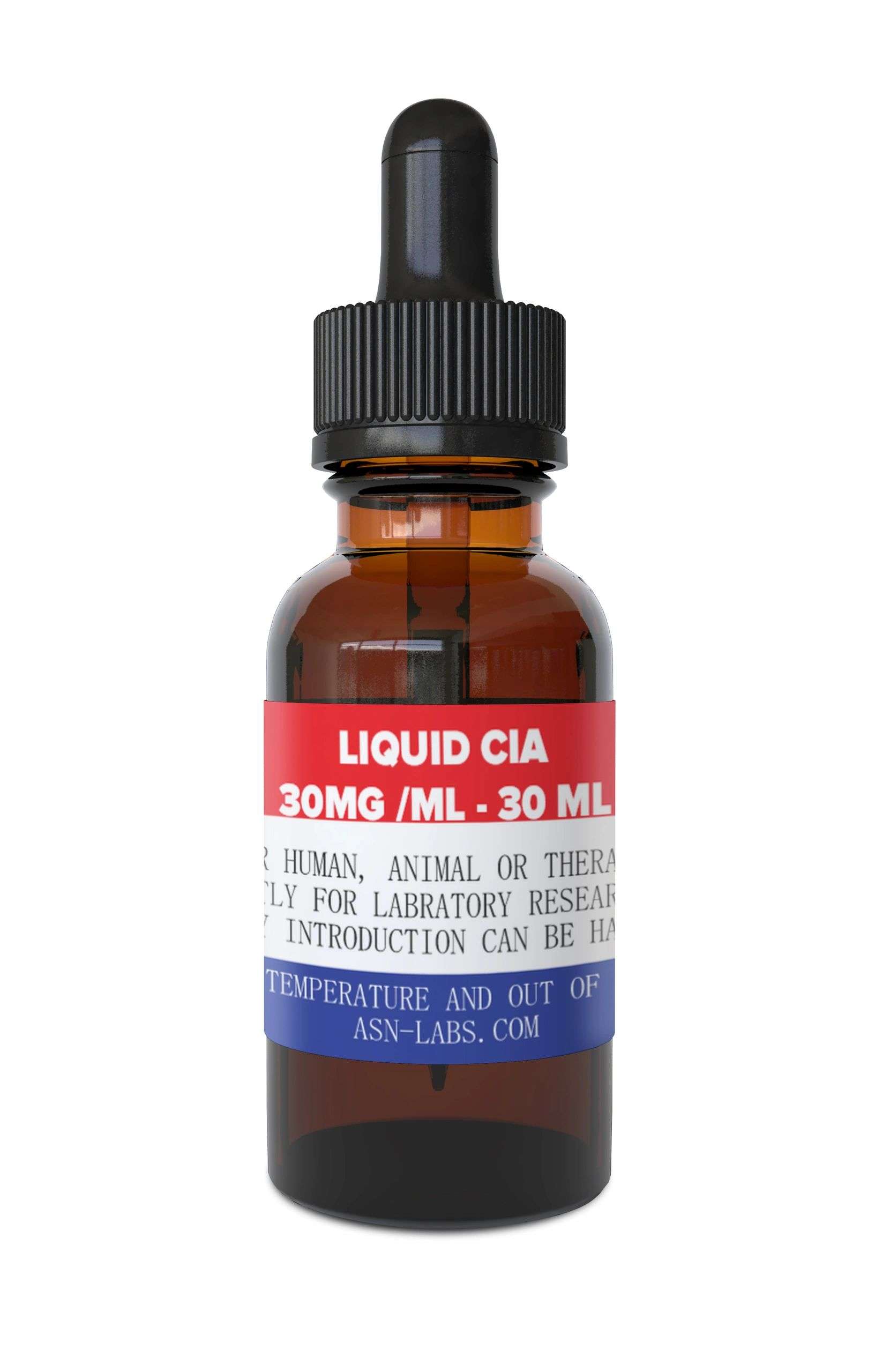
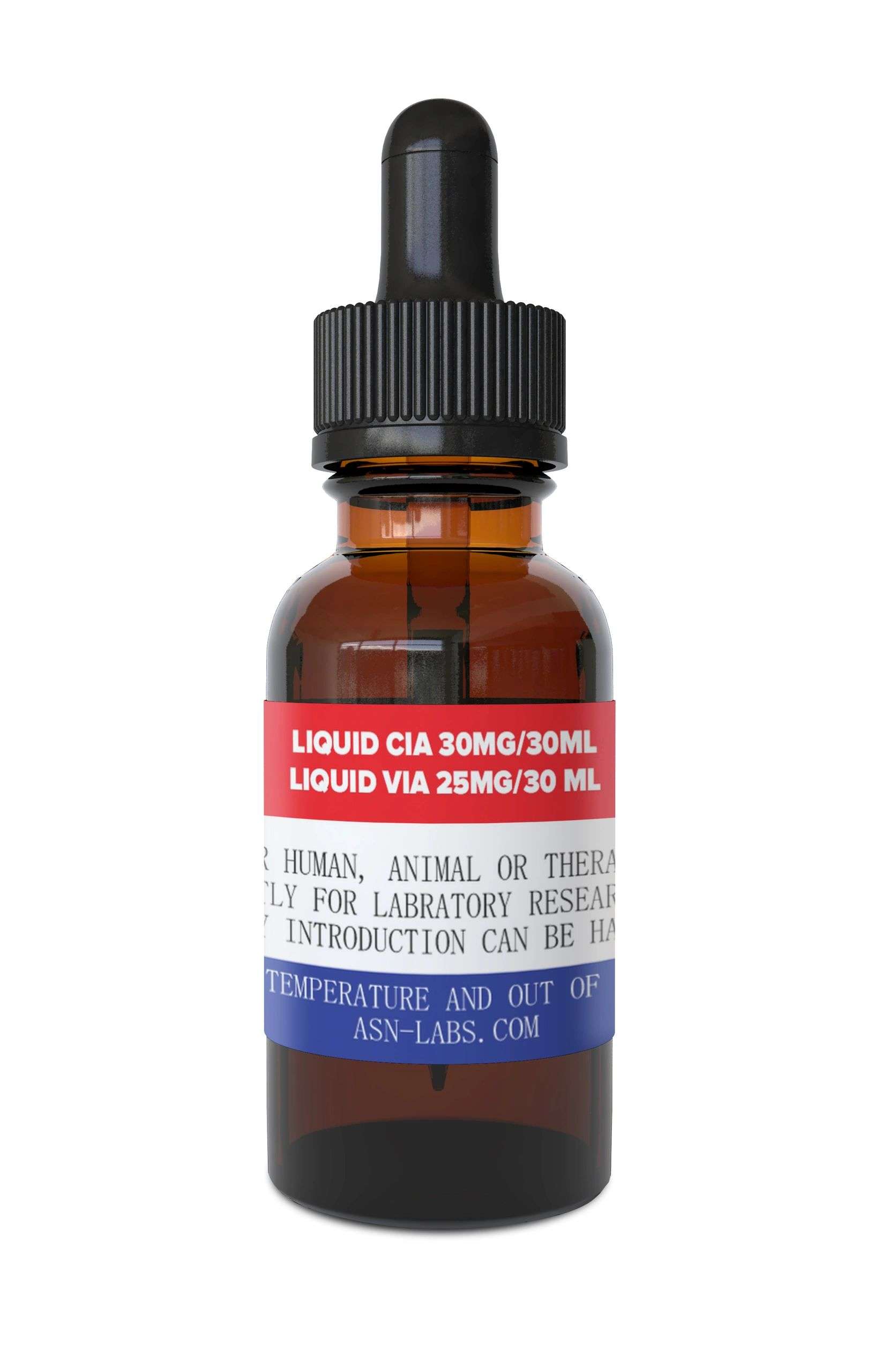
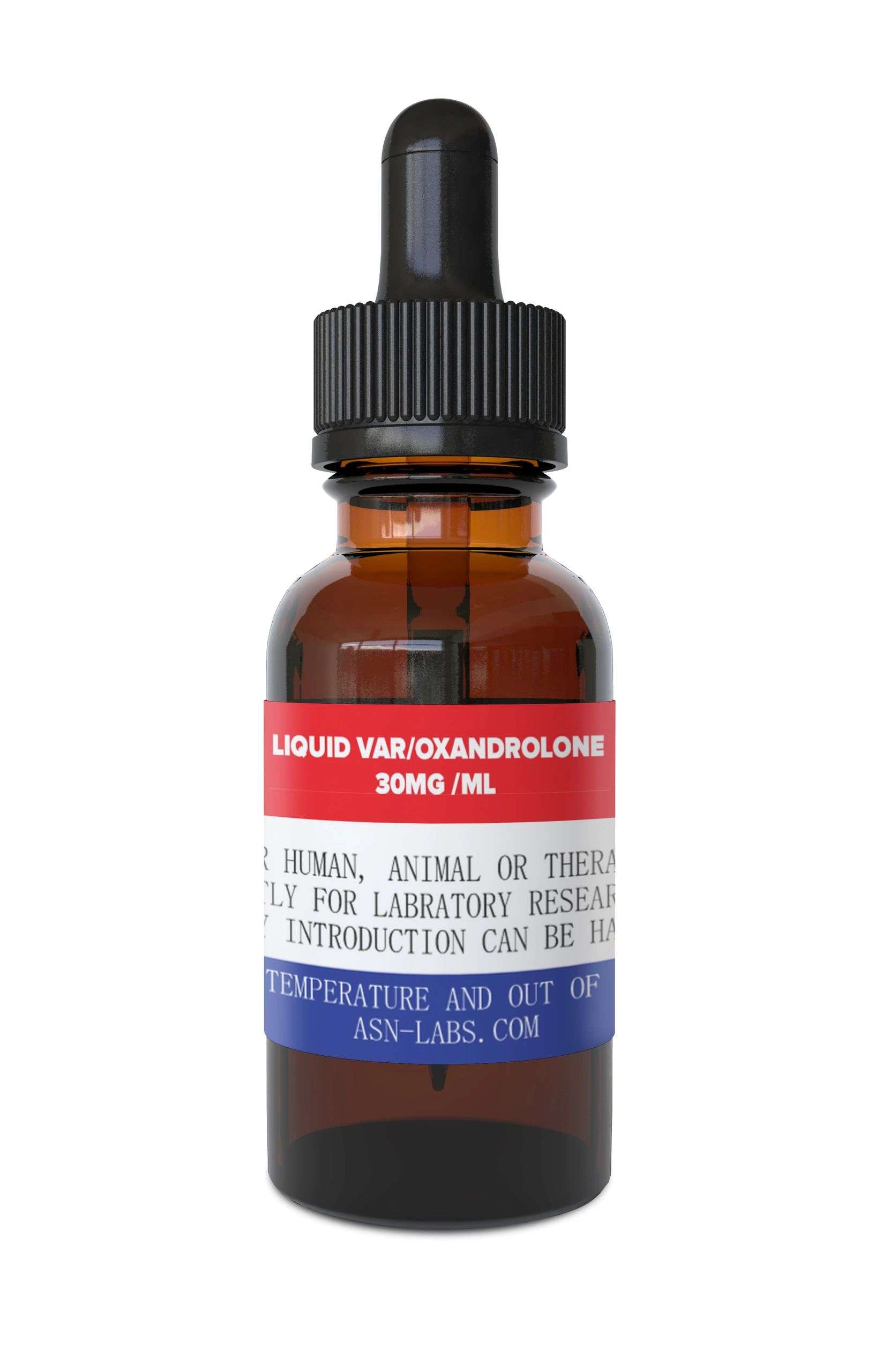
 Orders placed between June 24 and July 5 may experience slight processing delays due to inventory reconciliation and warehouse maintenance.



A GMP research chemical supplier should provide more than polished labels and aggressive purity claims. For serious research buyers, supplier quality is visible in the details: documented manufacturing controls, batch-specific analytical data, traceable materials, and clear standards for handling, packaging, and fulfillment. When compound consistency matters, vague assurances are not enough.
Research compounds demand a higher standard of scrutiny because quality failures are rarely obvious from appearance alone. A mislabeled vial, degraded material, weak assay result, or contaminated batch can compromise research integrity before a protocol even begins. The right supplier treats quality as an operating system, not a marketing phrase.
What GMP Means for Research Chemical Supply
Good Manufacturing Practice, commonly called GMP, is a structured approach to producing materials under controlled, documented conditions. It covers the systems behind the product: facility hygiene, equipment maintenance, personnel training, raw-material handling, batch records, quality-control procedures, deviations, and corrective actions.
That distinction matters. GMP does not mean a research compound is approved for human use, clinically validated, or appropriate for consumption. It means a manufacturer is expected to follow disciplined production practices designed to reduce preventable variation and contamination. Research materials must remain within their stated research-use framework and be handled only by qualified parties.
A credible supplier should be precise about its language. Some operate in GMP-oriented facilities or apply GMP-style controls without claiming a finished research product holds a regulatory approval. Others may source from facilities with defined GMP certifications. The key is not the loudest claim. It is whether the supplier can substantiate how its quality system applies to the specific material and batch being offered.
What Separates a Serious GMP Research Chemical Supplier
The most dependable suppliers build their value around evidence. Their product pages, support team, packaging, and quality documentation should all tell the same story. If a company claims high purity but cannot identify the test method, batch number, or laboratory behind that claim, the statement carries limited value.
Batch-specific testing should be standard
A certificate of analysis is one of the first documents to examine, but it should not be treated as a decorative checkbox. Useful documentation identifies the batch or lot, lists the material tested, states the date, provides an assay result, and identifies the analytical method used.
For many research compounds, high-performance liquid chromatography is a common method for assessing purity. Mass spectrometry may support identity confirmation, while microbiological testing, residual solvent testing, water-content analysis, or heavy-metal screening may be relevant depending on the format and material. A peptide in a lyophilized vial presents different quality considerations than a powdered nootropic or a liquid research solution.
The best documentation is specific enough to be audited. It connects the report to the product in hand rather than presenting a generic result that could apply to any inventory. A batch number on the product label should align with the certificate provided for that batch.
Identity matters as much as purity
A 99% purity result has little practical value if the material itself has not been correctly identified. Quality evaluation should begin with the question, “Is this actually the compound claimed on the label?” Identity testing and purity testing are related, but they are not interchangeable.
This is especially relevant in fast-moving categories such as peptides, SARMs, and metabolic research compounds, where similar names, inconsistent nomenclature, or poorly controlled sourcing can create avoidable confusion. A professional supplier maintains clear product naming, concentration details where applicable, lot tracking, and storage guidance consistent with the material’s characteristics.
Manufacturing discipline protects consistency
Consistency is built before testing. A supplier with meaningful manufacturing standards controls the inputs, process, equipment, and environment that lead to a finished batch. This can include qualified raw-material vendors, documented weighing and blending procedures, controlled filling operations, and a defined release process before products enter inventory.
This is where Made in the USA manufacturing can carry real value when paired with transparency. Domestic production may allow closer oversight, faster communication, more direct accountability, and shorter fulfillment timelines. It is not automatically a guarantee of quality, but it can strengthen supply-chain control when the operation has the documentation to support its claims.
Packaging and storage are part of quality
Quality does not end when a batch passes testing. Research chemicals can be sensitive to light, temperature, moisture, oxygen, or repeated handling. A supplier should use packaging that fits the material, whether that means light-resistant vials, tamper-evident seals, moisture-conscious storage, or clearly marked handling instructions.
Fast shipping is valuable, but it should never come at the expense of product protection. Reliable fulfillment means accurate order processing, secure packaging, and inventory practices that reduce the chance of sending an incorrect, aged, or improperly stored item. The strongest operations view shipping as the final quality-control checkpoint, not simply a warehouse task.
Questions to Ask Before You Place an Order
Supplier evaluation gets easier when you ask direct questions and judge the quality of the answers. A legitimate operation should be able to address testing practices, lot traceability, manufacturing location, product format, and storage expectations without relying on generic sales language.
Look for clarity around whether testing is conducted internally, through an independent laboratory, or through both. Third-party testing can add confidence when the lab is identifiable and the report is tied to the relevant lot. Internal testing can also be valuable when it is supported by documented quality systems. Neither model is automatically superior in every case. What matters is transparency, repeatability, and a clear chain from production to release.
Also examine how the supplier handles a quality concern. Every manufacturer can encounter a deviation. The stronger signal is whether the company has a process for investigating it, isolating affected inventory, and communicating accurately. A supplier that cannot explain its quality procedures before a sale is unlikely to become more transparent after a problem arises.
Red Flags That Signal a Weak Supplier
Low pricing alone does not prove a quality failure, but extreme discounts can be a reason to investigate further. Controlled manufacturing, analytical testing, compliant packaging, and fast domestic fulfillment all carry real costs. When a price seems detached from those realities, ask what has been omitted.
Be cautious when purity claims are presented without a test date, lot number, method, or laboratory information. The same applies to suppliers that use stock certificates across unrelated products, make sweeping pharmaceutical-style claims about research materials, or provide no meaningful way to contact quality support.
Other warning signs include inconsistent concentrations across listings, missing storage information, labels that do not match product descriptions, and claims that a product is both strictly for research and intended for personal use. Professional suppliers maintain clear boundaries. They market research materials with appropriate compliance language and do not blur that position with unsupported consumer promises.
Match the Supplier to the Research Need
There is no single supplier standard that fits every project. A researcher sourcing a reference material may prioritize analytical documentation and small-batch traceability. A buyer evaluating a peptide format may focus on identity, fill accuracy, vial integrity, and storage controls. For recurring work involving a consistent compound, lot continuity and reliable replenishment can become just as important as the initial assay result.
The point is to evaluate the whole system. Product category, format, quantity, storage requirements, documentation needs, and timeline should shape the decision. Buying based on a headline purity number alone is an incomplete quality strategy.
ASN-LABS approaches this standard with a performance-focused commitment to lab-tested, USA-manufactured research compounds, transparent quality positioning, and dependable nationwide fulfillment. For buyers who refuse to treat sourcing as an afterthought, the goal is straightforward: select materials backed by the kind of process, documentation, and accountability that serious research demands.
The best supplier decision is rarely the fastest or cheapest one. It is the one that gives you a clear, defensible answer to a basic question: can this batch be trusted as the material it claims to be?