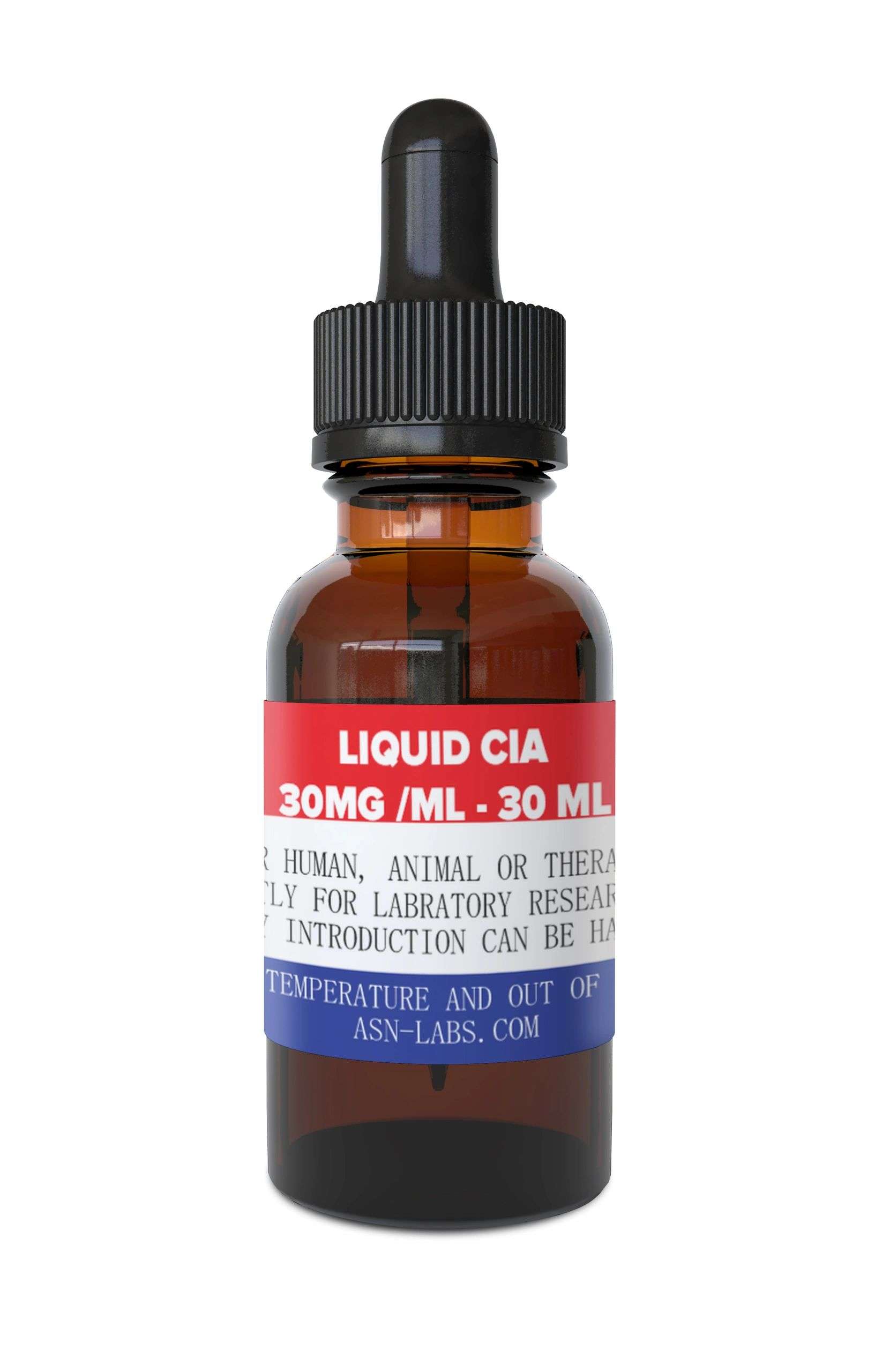
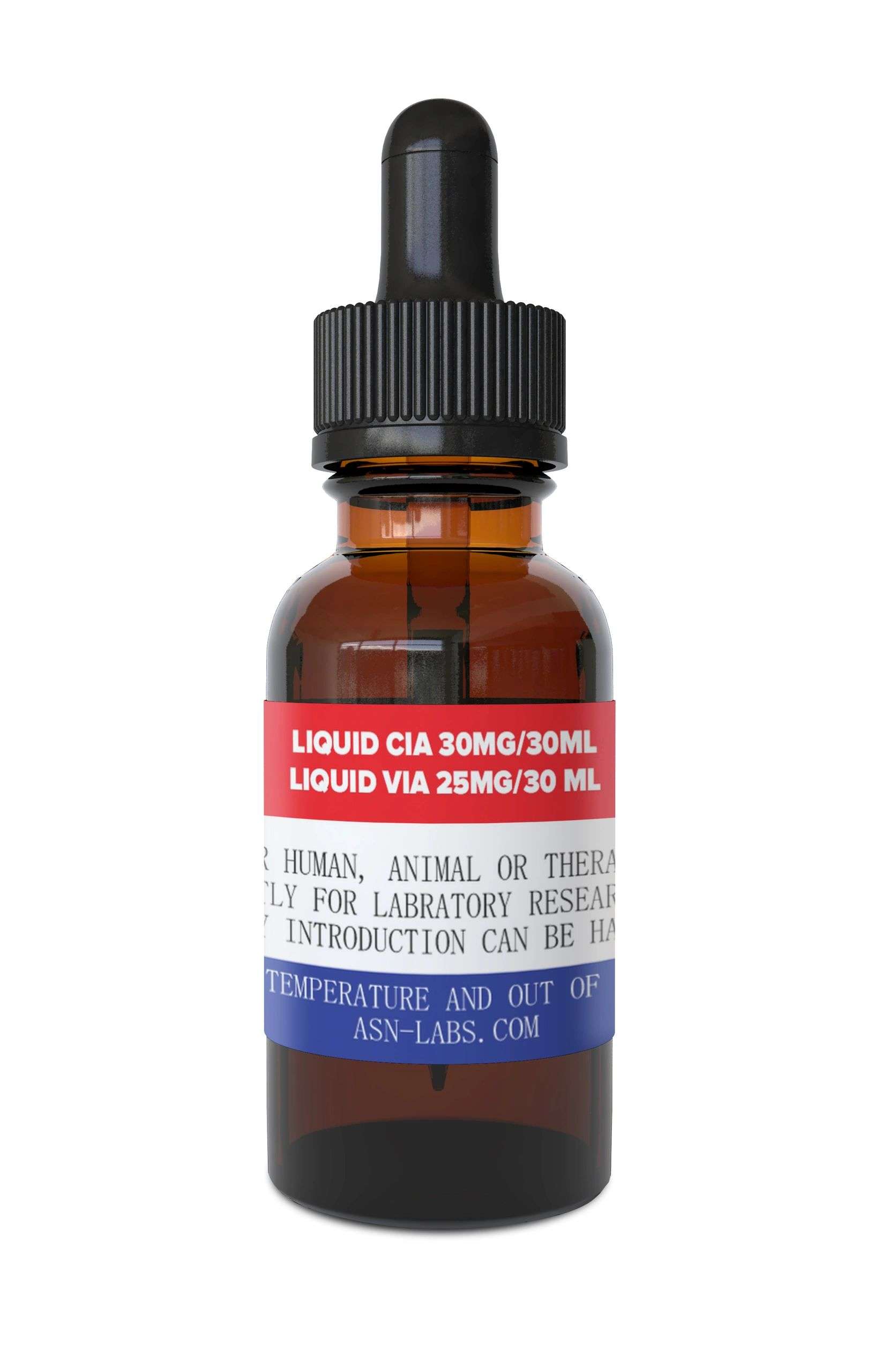
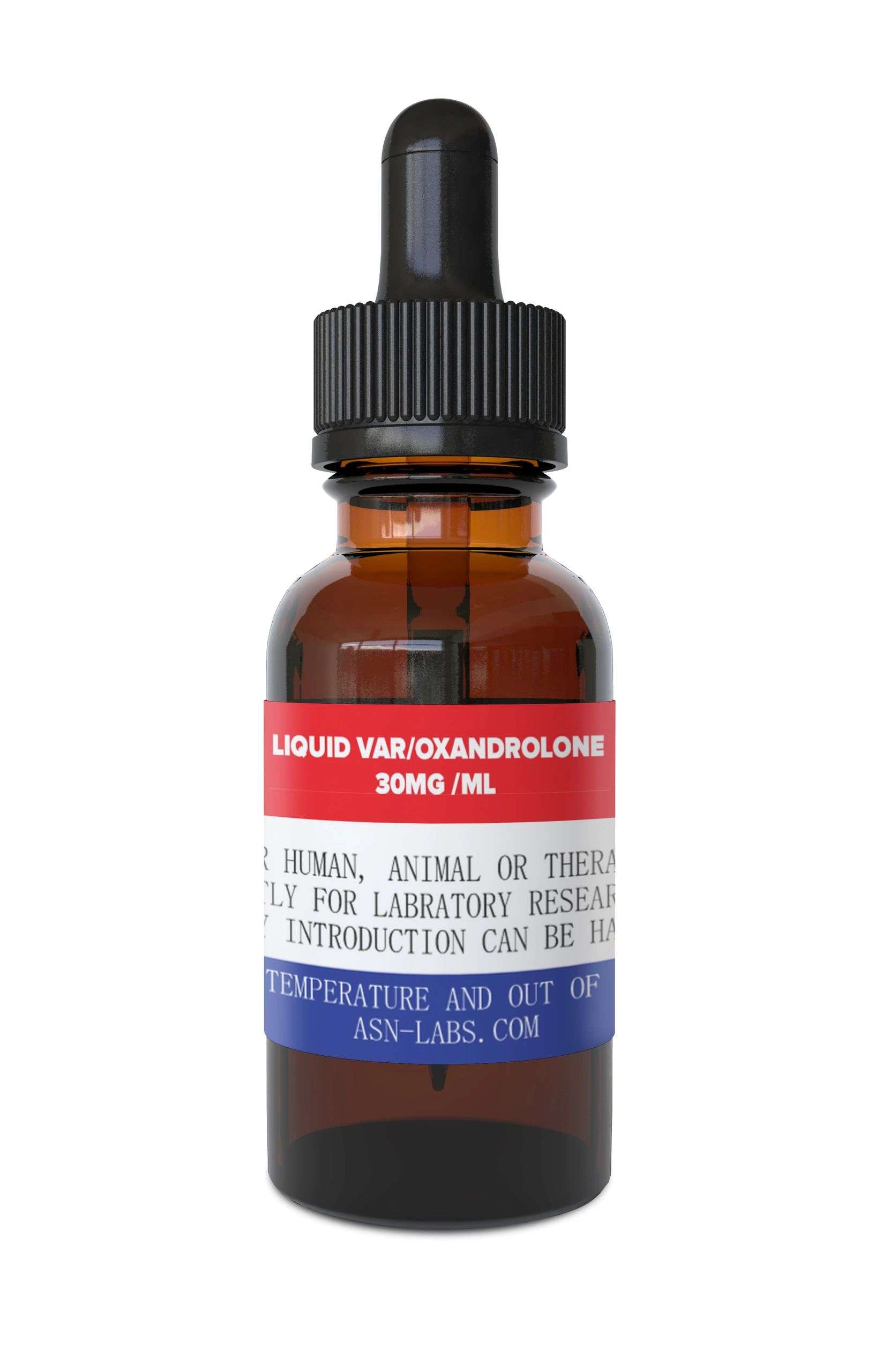
 Orders placed between June 24 and July 5 may experience slight processing delays due to inventory reconciliation and warehouse maintenance.



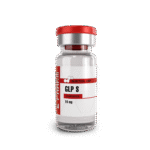
A vial label can make a compound look legitimate. It cannot prove identity, concentration, purity, or batch-to-batch consistency. For serious buyers, research chemicals are only as credible as the controls behind them: documented testing, disciplined manufacturing, transparent handling, and a supplier that treats precision as the baseline rather than a marketing extra.
That distinction matters most in performance-oriented categories. SARMs, peptides, nootropics, and metabolic research compounds attract attention because the research is complex and the standards need to be higher. A low price or aggressive label does not compensate for weak documentation. When the material is intended for legitimate laboratory research only, the real question is simple: can the supplier substantiate what is in the container?
Why Research Chemicals Demand a Higher Standard
Research compounds are not interchangeable commodities. Even when two products carry the same compound name, their value can differ substantially based on raw-material sourcing, synthesis controls, analytical verification, storage practices, and packaging accuracy.
Purity is central, but it is not the entire picture. A purity percentage without context leaves major questions unanswered. What analytical method was used? Was the result tied to the actual lot? Is the tested identity consistent with the stated compound? Has the product been handled in a way that protects its integrity between manufacturing and delivery?
A professional source builds confidence through evidence, not vague promises. That means clear product specifications, identifiable lot or batch information, and analytical documentation that corresponds to the material being sold. It also means avoiding inflated claims. Research-use materials should be presented accurately, with the appropriate non-human-consumption positioning and without turning laboratory compounds into casual wellness products.
For buyers who care about precision, that is not red tape. It is the difference between a dependable research input and an unknown variable.
What Quality Control Should Actually Look Like
The strongest suppliers do not rely on a single statement such as “high purity.” They create a traceable quality story from manufacturing through fulfillment. While the exact process varies by compound and format, several markers consistently separate professional operations from opportunistic sellers.
Batch-Specific Analytical Documentation
A certificate of analysis can be useful only when it is specific, relevant, and understandable. The document should identify the compound, show a batch or lot reference, and provide results that connect to the material offered for sale. Generic paperwork that appears across unrelated products or lacks matching identifiers should raise questions.
Analytical methods matter as well. Depending on the compound, methods may include HPLC, LC-MS, GC-MS, NMR, or other appropriate testing approaches. No single method automatically guarantees quality. The point is that the testing should fit the material and support the claims being made about identity and composition.
Third-party testing adds another layer of independence. It does not remove the need for internal quality controls, but it can help buyers evaluate whether a supplier is willing to subject products to external verification.
Controlled Manufacturing and Handling
Manufacturing discipline is not a slogan. It shows up in process controls, defined specifications, contamination prevention, proper packaging, and records that support consistency. A supplier operating with GMP-oriented principles should be able to speak clearly about quality standards without hiding behind undefined buzzwords.
Storage and shipping also deserve attention. Some research materials can be sensitive to heat, moisture, light, or repeated temperature changes. Packaging should be selected for the material, clearly labeled, and designed to protect the contents during normal transit. Fast U.S. fulfillment can reduce unnecessary handling time, but speed alone is not a substitute for careful packaging and storage.
Transparent Product Presentation
Trustworthy listings are precise. They identify the compound, format, amount, and research-use status in direct language. They do not blur the line between scientific investigation and human use, and they do not rely on unsupported outcome claims.
Transparency should extend to what a supplier will not claim. In a market full of exaggerated promises, a disciplined compliance framework is a sign of maturity. Legitimate laboratory research requires accurate labeling, proper handling, and adherence to applicable laws and institutional standards. Any buyer should independently confirm that their planned research is lawful and appropriately authorized.
How to Evaluate a Research Chemical Supplier
The purchasing decision should begin before a product reaches the cart. A professional supplier earns confidence through repeatable proof points, not just polished branding.
Start by reviewing whether testing information is available and whether it appears tied to specific products or batches. Then examine the consistency of the catalog. A supplier focused on research quality should present coherent specifications across its SARMs, peptides, nootropics, and performance-oriented compounds rather than offering a random assortment with thin descriptions.
Next, assess operational clarity. Are policies, product handling expectations, and research-use limitations communicated plainly? Is the company transparent about domestic fulfillment and manufacturing claims? Are packaging, batch identification, and customer support treated as part of the quality system instead of afterthoughts?
Price belongs in the equation, but it should not control the equation. Deep discounts can be attractive, especially for recurring research needs, yet an unusually cheap product may reflect compromises that are impossible to see from a product photo. Testing, controlled production, compliant packaging, and reliable shipping all carry real costs. The better question is not “Which option is cheapest?” It is “Which option offers the clearest evidence of consistency?”
There is also a practical trade-off between broad selection and focused execution. A massive catalog may look impressive, but specialization can be more valuable when it is backed by repeatable standards. Buyers researching performance and body-composition-related compound categories often need a source that understands how documentation, packaging, inventory controls, and fulfillment influence confidence across the full purchase experience.
Performance Categories Require Clear Boundaries
SARMs, peptide research materials, nootropic compounds, and metabolic research categories are often discussed in the same breath because they appeal to optimization-minded audiences. Yet each category has different scientific questions, stability considerations, and regulatory sensitivities.
That is why product pages should never imply that every compound fits every research objective. The right selection depends on the research design, the analytical question being investigated, the capabilities of the laboratory, and the applicable compliance requirements. Precision means resisting the urge to treat advanced compounds as interchangeable tools.
It also means separating product quality from research conclusions. A verified, accurately labeled material supports better-controlled work. It does not predetermine an outcome, eliminate experimental limitations, or replace sound methodology. Researchers still need appropriate protocols, controls, recordkeeping, and qualified oversight.
This boundary protects the buyer and strengthens the market. Suppliers that communicate it clearly are building for long-term credibility, not short-term hype.
The Standard Is Repeatability
One good order is not the final test of a supplier. The standard is whether the next order is handled with the same attention to identity, packaging, documentation, and fulfillment. Consistency is what turns a purchase into a reliable sourcing relationship.
For a research-focused buyer, look for a supplier that treats every batch as accountable material. That means transparent quality claims, lab-tested product standards, Made in the USA manufacturing where stated, and a purchasing process built around clear expectations. At ASN-LABS, that performance-first mindset is paired with a strict research-use framework so buyers can prioritize source integrity without confusing marketing language for scientific evidence.
The most useful closing question is not whether a product sounds advanced. Ask whether the supplier can show the work behind it. When the answer is documented, traceable, and consistent, research starts on stronger ground.