 Orders placed between June 24 and July 5 may experience slight processing delays due to inventory reconciliation and warehouse maintenance.


A research compound can leave a controlled manufacturing environment in excellent condition and still lose integrity long before its labeled date if storage is careless. What affects SARM shelf life is not one isolated variable. It is the combined pressure of heat, light, moisture, oxygen, formulation, packaging, and repeated handling after the product reaches the lab.
For buyers who prioritize purity, consistency, and credible batch documentation, shelf life is part of the quality conversation. A strong starting material and lab-tested finished batch matter, but protecting that material after purchase is what helps preserve the compound’s intended research characteristics.
What Affects SARM Shelf Life Most?
SARMs, or selective androgen receptor modulators, are research compounds whose stability depends on their specific molecular structure and final format. There is no universal shelf-life rule that applies equally to every compound, every supplier, or every formulation. A sealed powder in a properly selected container behaves differently from a liquid suspension opened every day.
The central issue is degradation. Over time, chemical compounds can change when exposed to environmental stressors. That change may reduce potency, alter consistency, or create breakdown products that are no longer representative of the original tested material. The goal of proper storage is simple: minimize avoidable stress from the moment the package is opened.
Temperature: Heat Speeds Up Degradation
Temperature is often the most consequential storage factor. Heat can accelerate chemical reactions, especially when it is prolonged or repeated. Leaving a bottle near a window, in a vehicle, beside a stove, or in a garage that swings from cold to hot creates conditions that work against long-term stability.
Room-temperature storage is commonly appropriate only when the product label specifies it. “Room temperature” does not mean any temperature in any room. A consistently cool, dry interior cabinet is far different from a humid bathroom or sun-exposed shelf. Avoiding temperature swings can be just as valuable as avoiding extreme heat because repeated expansion and contraction may affect seals, headspace, and the formulation itself.
Refrigeration is not automatically better. Unless the product documentation specifically calls for cold storage, refrigeration may introduce a moisture risk through condensation when the container is removed and opened. Follow the supplier’s label and batch-specific handling guidance instead of assuming colder always means safer.
Light Exposure: UV Is a Quiet Problem
Light, particularly ultraviolet light, can trigger photodegradation in light-sensitive compounds. Direct sunlight is the obvious risk, but strong artificial lighting and clear storage containers can also matter over long periods.
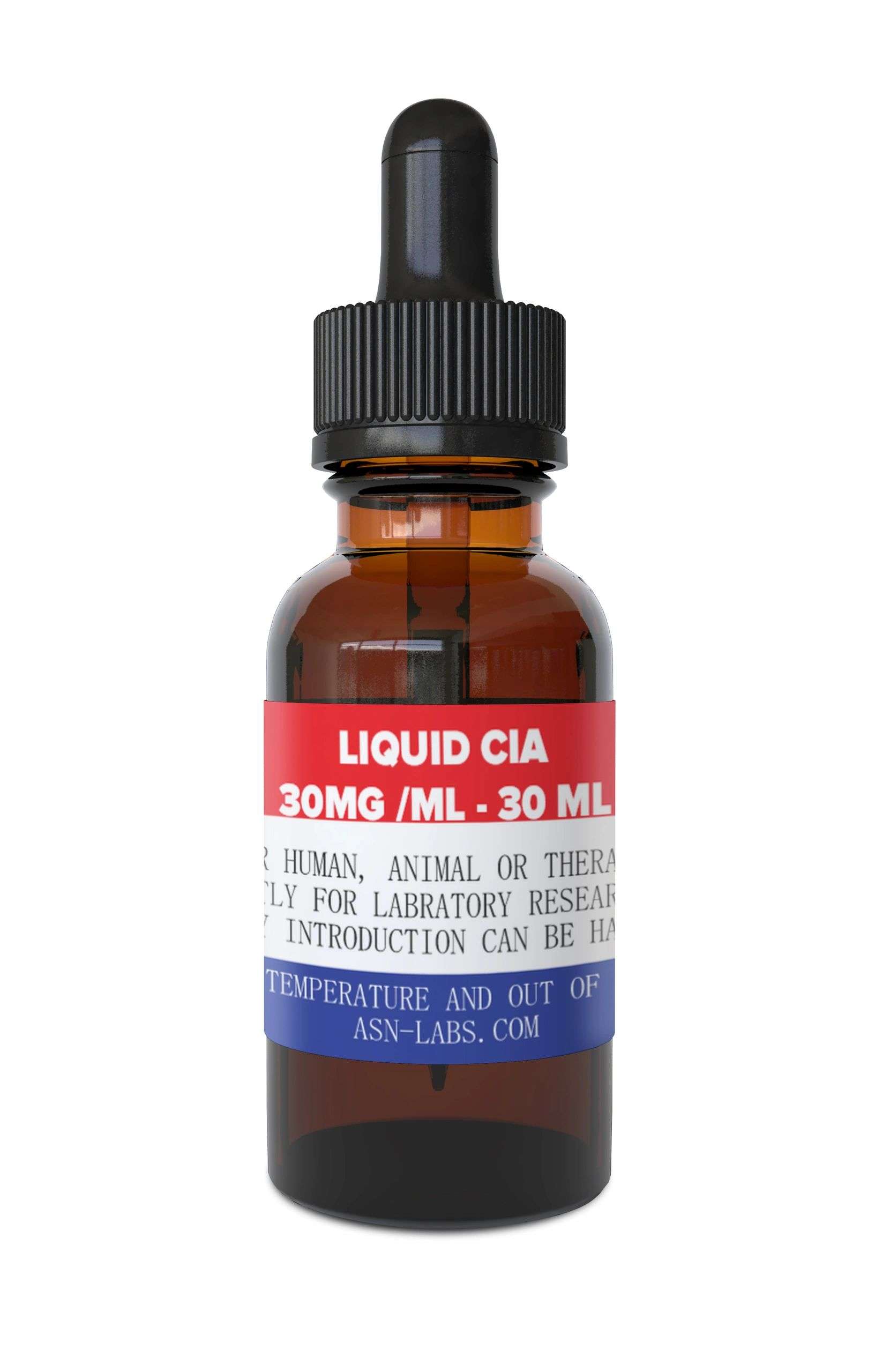
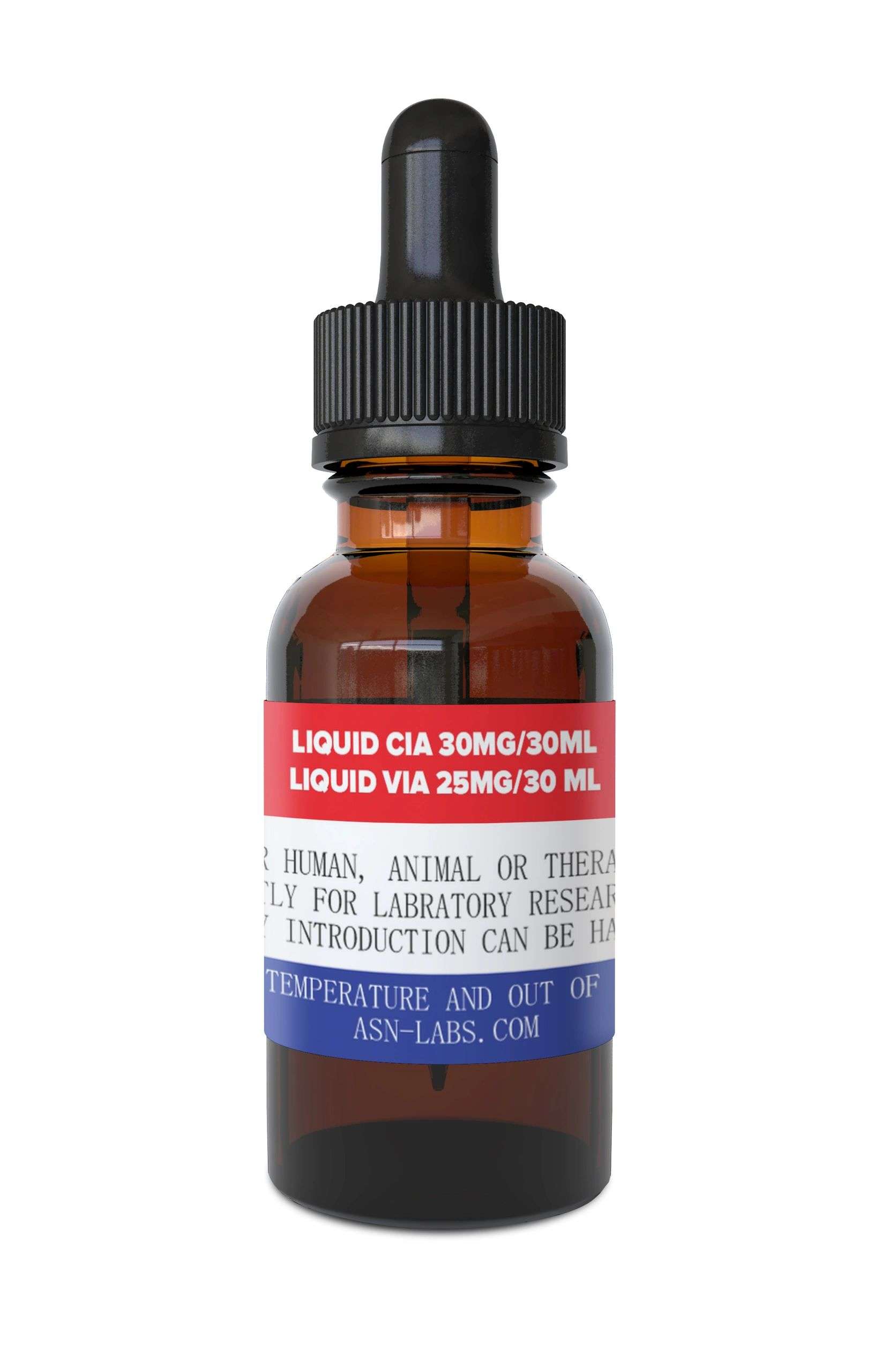
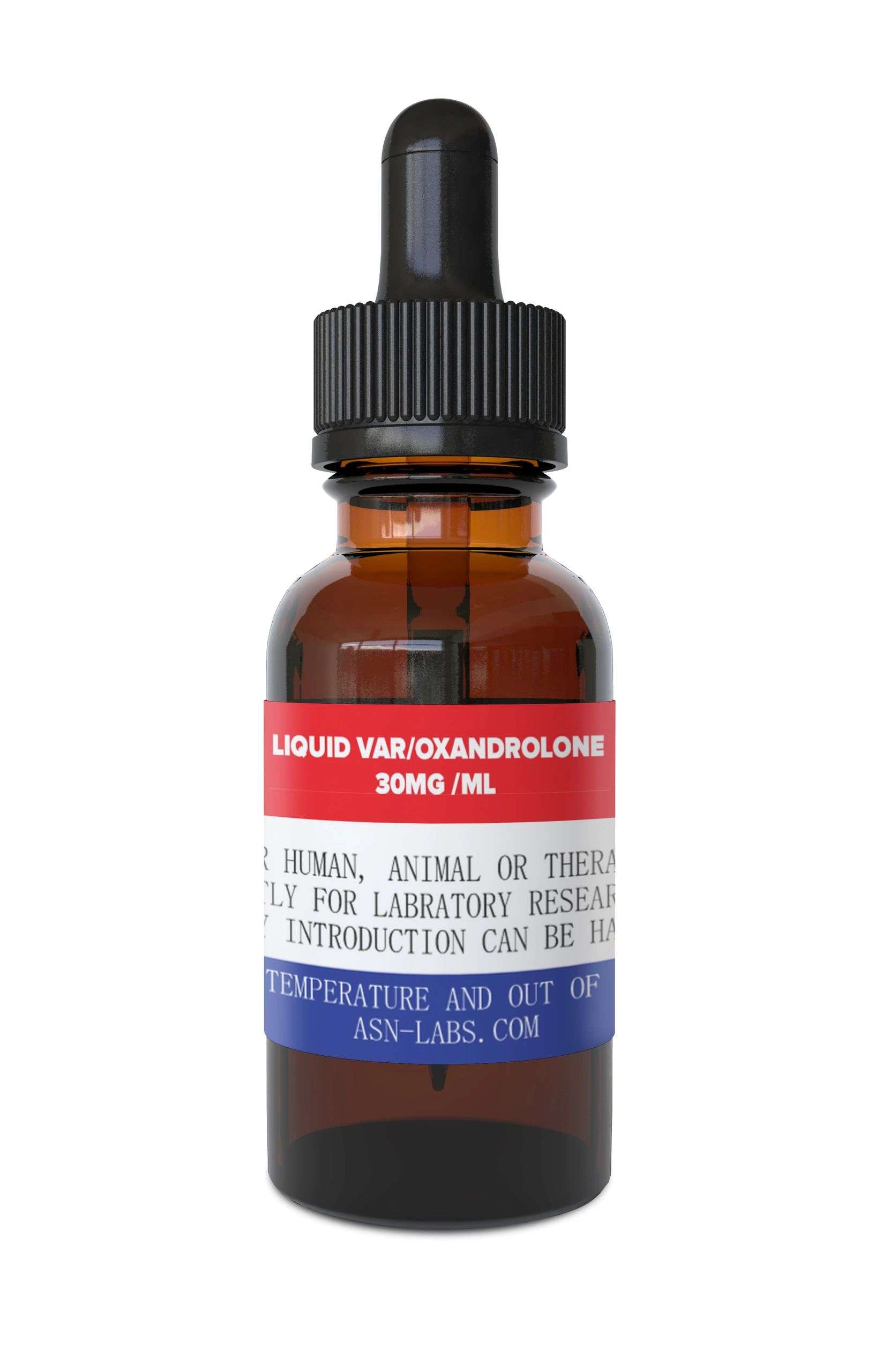
Amber glass, opaque bottles, foil-lined pouches, and secondary cartons are practical defenses because they reduce light transmission. If a product arrives in protective packaging, that packaging serves a purpose. Do not transfer it into a clear decorative jar or leave it displayed on an open counter simply for convenience.
For research environments, storage should be deliberate. Keep containers away from windows and avoid leaving them under bench lighting for extended periods. A dark cabinet with stable conditions is a better choice than a visible shelf.
Moisture, Oxygen, and Container Integrity
Moisture is especially problematic for many powdered research compounds. Water can promote hydrolysis, clumping, altered flow characteristics, and chemical instability. Humid air enters a container each time it is opened, which is why frequent access can shorten the practical life of a product even when the labeled expiration date has not passed.
Oxygen can also contribute to oxidation in compounds that are chemically susceptible. The risk depends on the active material and formulation, but the storage principle remains the same: limit unnecessary exposure to air. Keep caps tightly closed, reseal pouches completely, and do not leave containers open while preparing other materials.
Container integrity is part of this equation. A cracked cap, damaged liner, loose dropper assembly, or punctured pouch can defeat otherwise careful storage. Before placing a product into storage, inspect the package. The seal should be intact, the container should be clean and dry on the outside, and the label should remain readable for batch tracking.
Desiccant packs, when included by the manufacturer, help manage moisture inside sealed packaging. They should remain in the container unless product-specific instructions say otherwise. They are not a substitute for dry storage, but they can provide an added buffer against routine humidity exposure.
Powder, Capsule, and Liquid Formats Have Different Risks
The format of the material changes the shelf-life discussion. Dry powders are often more stable than solutions because they are not continuously exposed to a solvent system. However, powders can be vulnerable to moisture if handled with damp tools or stored in humid areas.
Liquid formulations introduce other variables: solvent compatibility, evaporation, precipitation, pH changes, and interactions with the bottle or closure. A liquid that develops unexpected cloudiness, particles, color change, or separation should not be treated as normal without qualified review. Shaking may re-disperse some suspensions, but it does not reverse chemical degradation.
Capsules and tablets add excipients to the equation. Humidity can soften capsules or compromise tablet integrity, while heat can affect coatings and physical consistency. The correct storage recommendation must account for the full finished formulation, not merely the active compound named on the label.
Handling Habits Can Shorten Practical Shelf Life
A premium, lab-tested product deserves controlled handling after it arrives. The biggest mistake is treating the original container like a permanent open work vessel. Every unnecessary opening increases opportunities for moisture, air, contamination, and labeling errors.
Use clean, dry equipment when handling research material. Never return unused material to the original container. Do not insert wet droppers, contaminated tools, or unverified transfer devices into the packaging. If an aliquot is needed for legitimate research work, use a clean, correctly labeled secondary container that is compatible with the material and protects it from light and air.
Tracking matters too. Record the date received, date opened, batch or lot number, labeled expiration date, and storage location. This creates a basic chain of custody and makes it easier to identify why a result may differ from expectations. For serious research operations, inventory discipline is not administrative clutter. It is part of protecting data quality.
Expiration Dates, Retest Dates, and What They Actually Mean
An expiration date is not a suggestion, and it is not a guarantee that the material will suddenly fail at midnight on that day. It is the manufacturer’s stated period during which the product is expected to meet its specifications when stored as directed. That expectation is typically based on stability data, formulation knowledge, packaging performance, and quality-control standards.
A retest date has a different meaning. In some research and manufacturing settings, a retest date indicates when a material should be evaluated again to confirm that it still meets specification. It does not mean the product has an unlimited life or that poor storage can be ignored until that date.
The practical takeaway is straightforward: use the product’s own label, certificate of analysis, and storage instructions as the primary reference. Generic online claims about a compound lasting “years” are weak guidance without knowing the exact batch, format, container, and storage history.
Signs a Product May No Longer Be Suitable for Research
Visible change is not a complete stability test. A product can appear normal while losing potency, and an unusual appearance does not identify the exact chemical cause. Still, certain changes deserve immediate attention: broken seals, unexplained discoloration, a new odor, unexpected particles, moisture damage, clumping in a material that was previously free-flowing, or a compromised container.
When these signs appear, do not guess. Quarantine the material, review the batch records and storage history, and contact the supplier if appropriate. Only validated analytical testing can confirm identity, purity, and concentration. Appearance alone cannot replace a proper quality assessment.
Storage Standards That Protect Research Quality
The strongest storage system is usually simple: keep products in their original labeled packaging, store them in a cool and dry location away from direct light, close them immediately after access, and minimize unnecessary opening. Separate products clearly to prevent mix-ups, and keep records that connect each container to its batch documentation.
Avoid transferring material unless the research workflow requires it. Original packaging is selected to support the product’s intended storage profile, and moving material into an unsuitable container can create avoidable exposure risks. A trusted supplier’s testing and manufacturing controls are most valuable when matched with equally disciplined storage on the receiving end.
For research-use materials, consistency starts before the first procedure. Protect the package, respect the label, document handling, and treat storage as a direct part of compound quality.